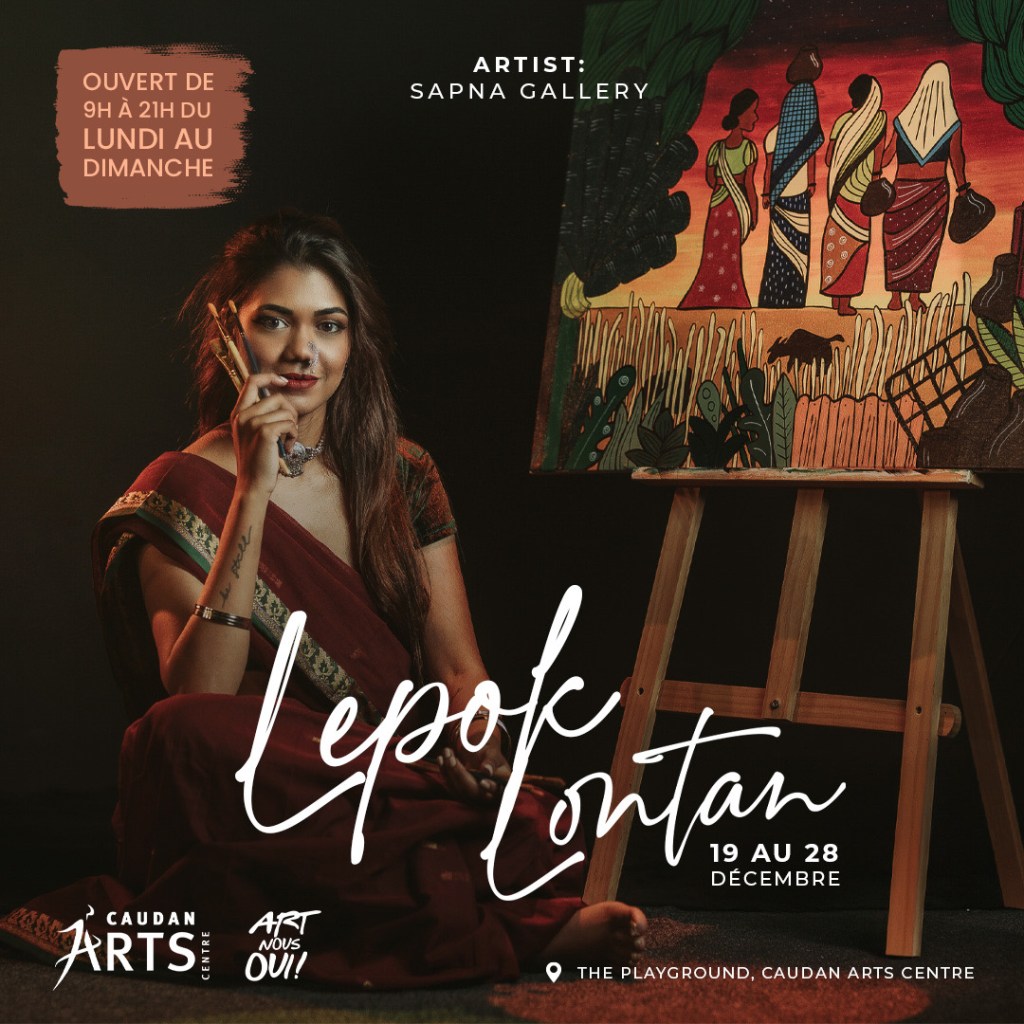
Art Exhibition at Caudan Arts Center
From the 19th to the 28th December 2024
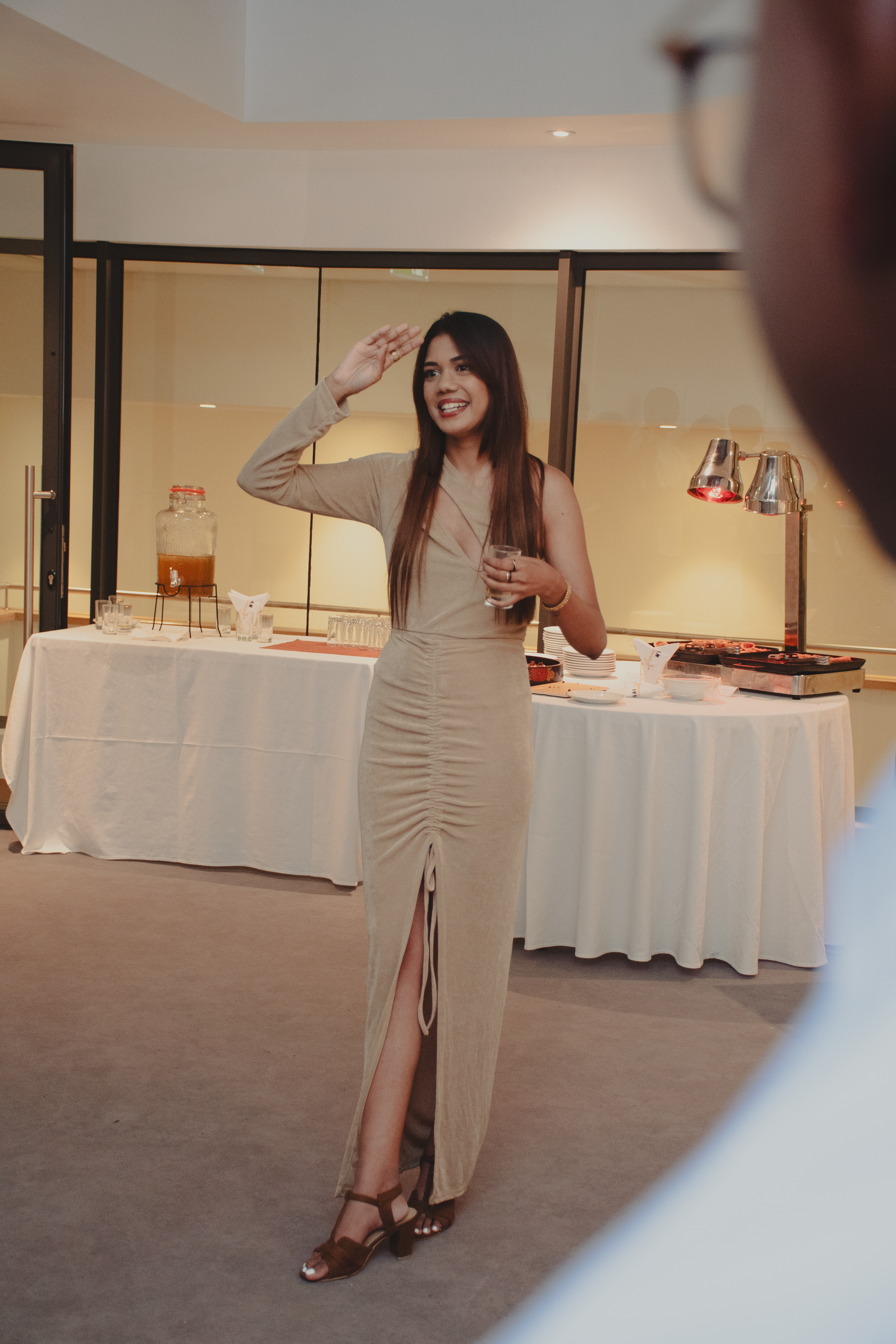
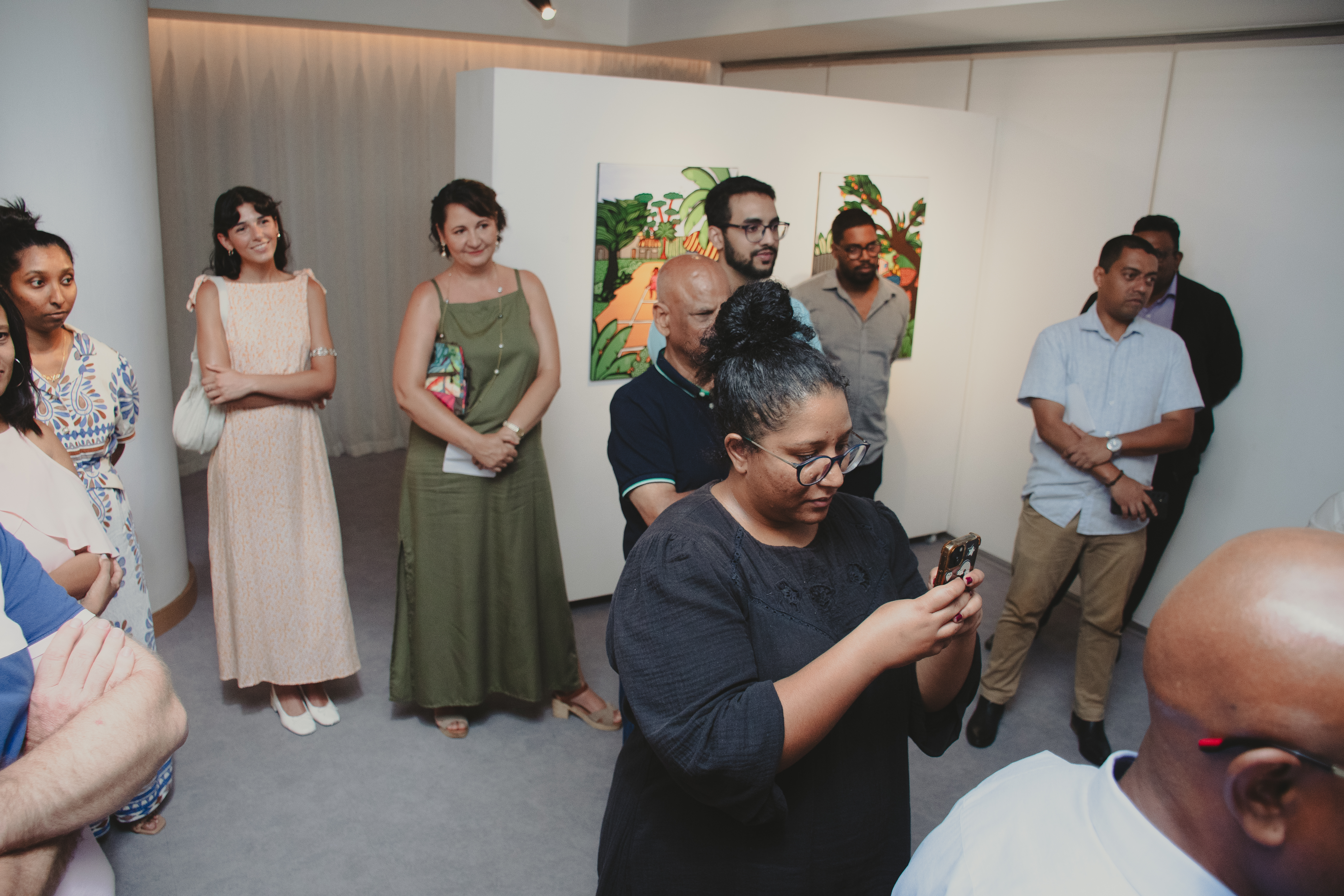
I had the pleasure to host an exhibition, titled “Lepok Lontan” (The Old Days), is a heartfelt homage to the simplicity and charm of life in Mauritius before the wave of modern development transformed the island. This collection seeks to revive cherished memories, weaving together moments of everyday life that once defined our community: the humble modes of transport, the bustling merchants, the warmth of neighbors in conversation, the fishermen by the shore, the sprawling fields, tin-roofed homes, and the comforting flavors of traditional cuisine.
Through this exhibition, I aim to evoke a deep sense of nostalgia, rekindling an appreciation for the human values of connection, resilience, and harmony that seem to have faded in today’s ever-accelerating world. Each piece invites the audience to pause, reflect, and journey back to a time when life was slower, more grounded, and profoundly connected to the rhythms of nature and community. “Lepok Lontan” is more than a celebration of the past; it is a call to honor and remember the essence of what makes us human.
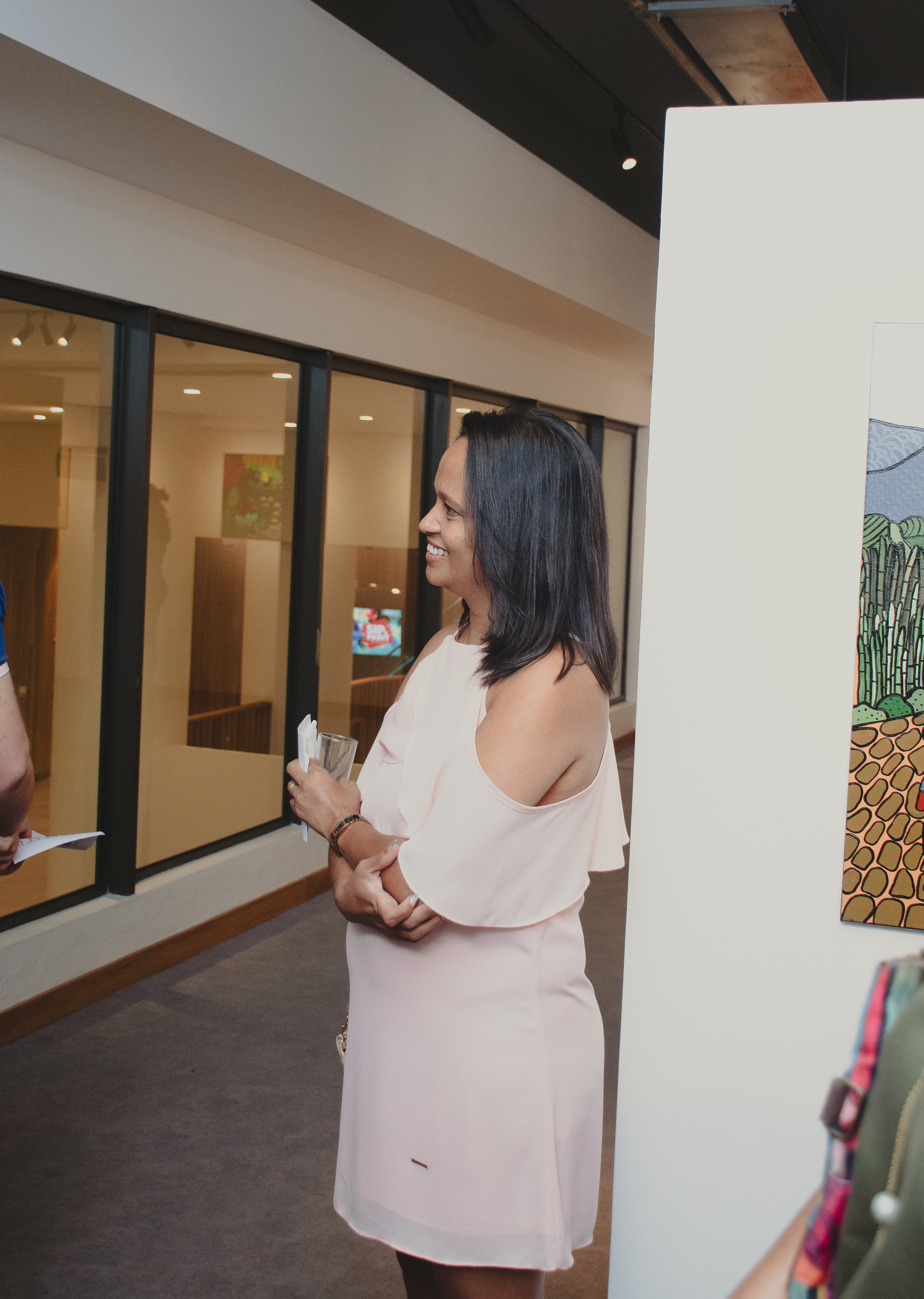
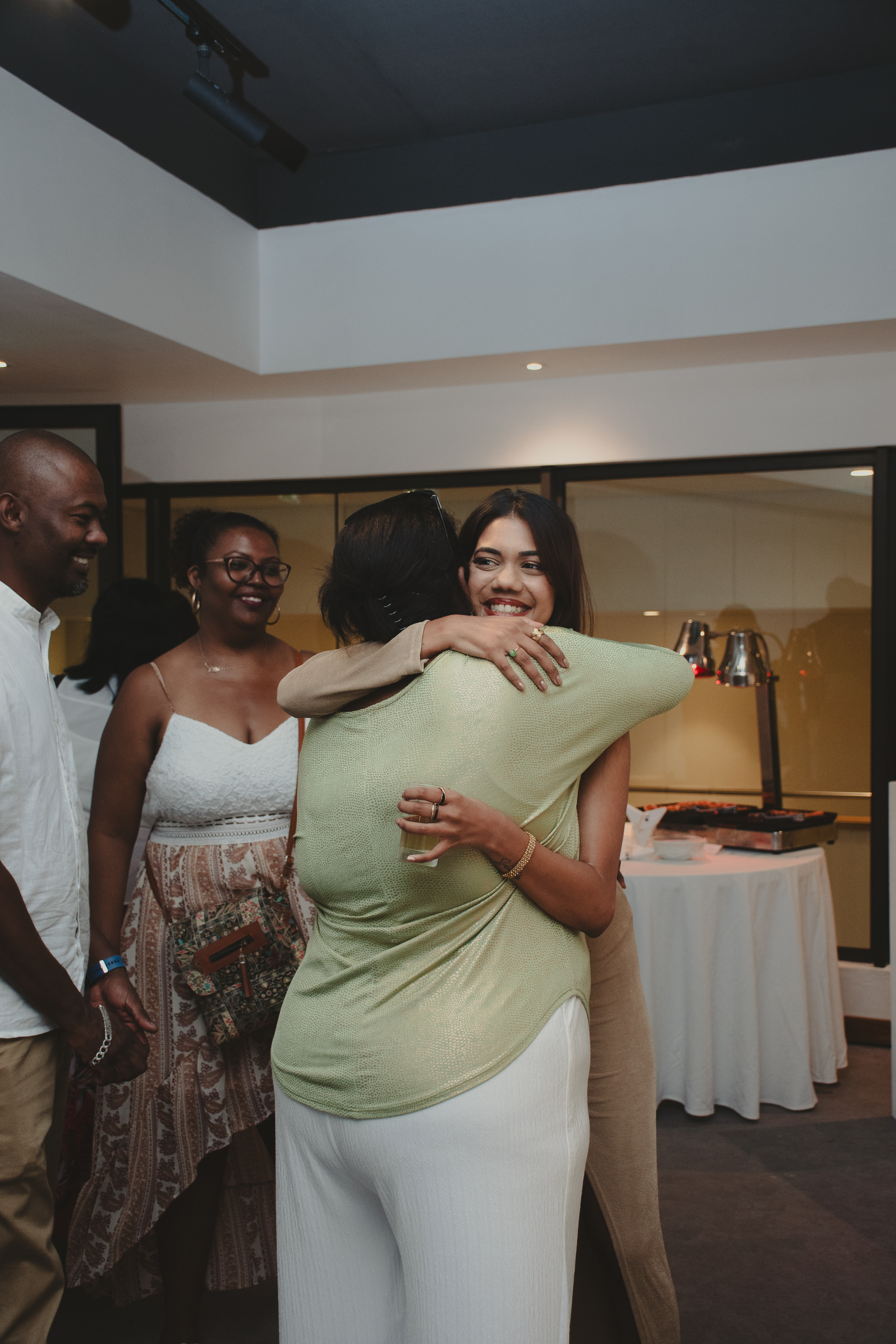
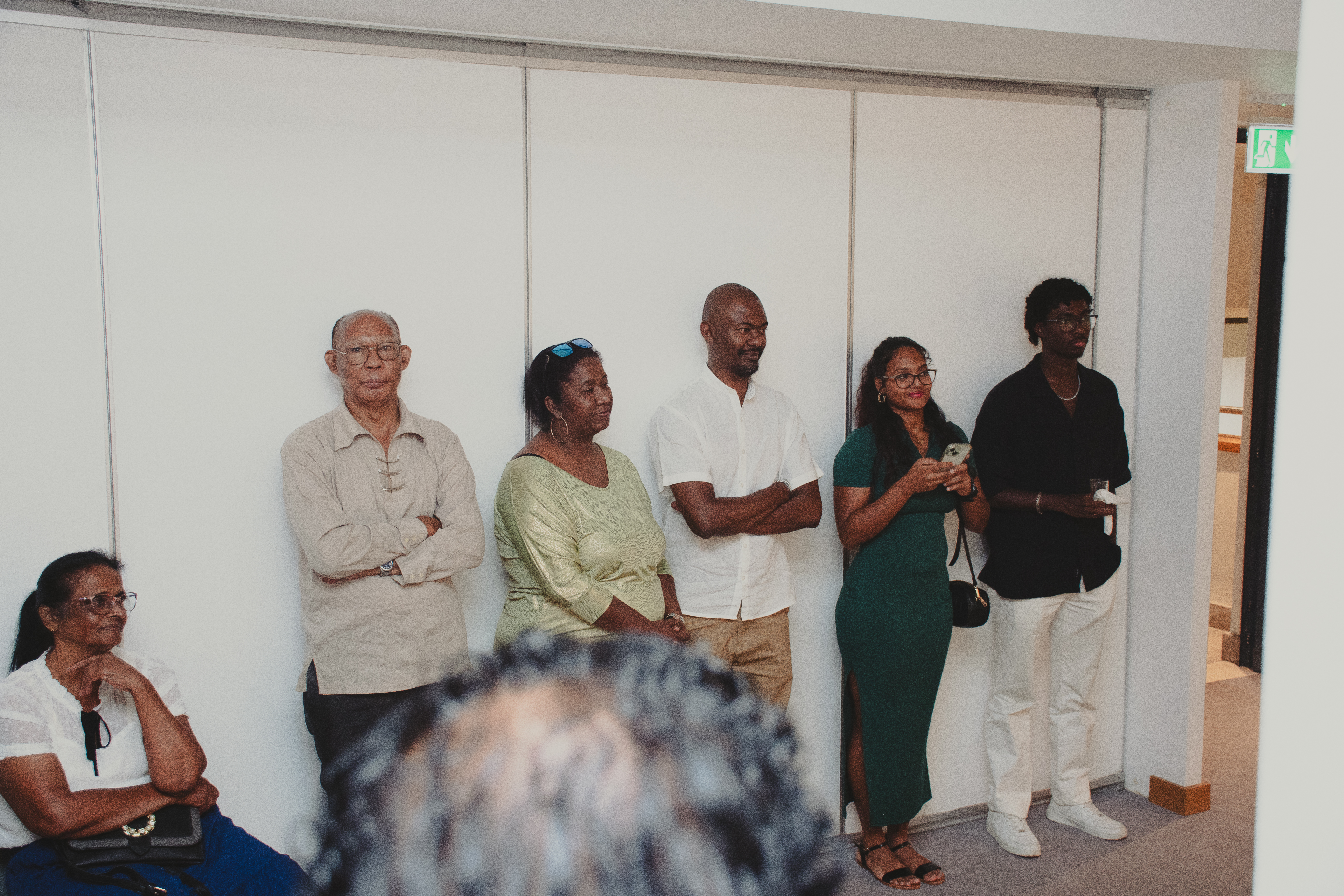
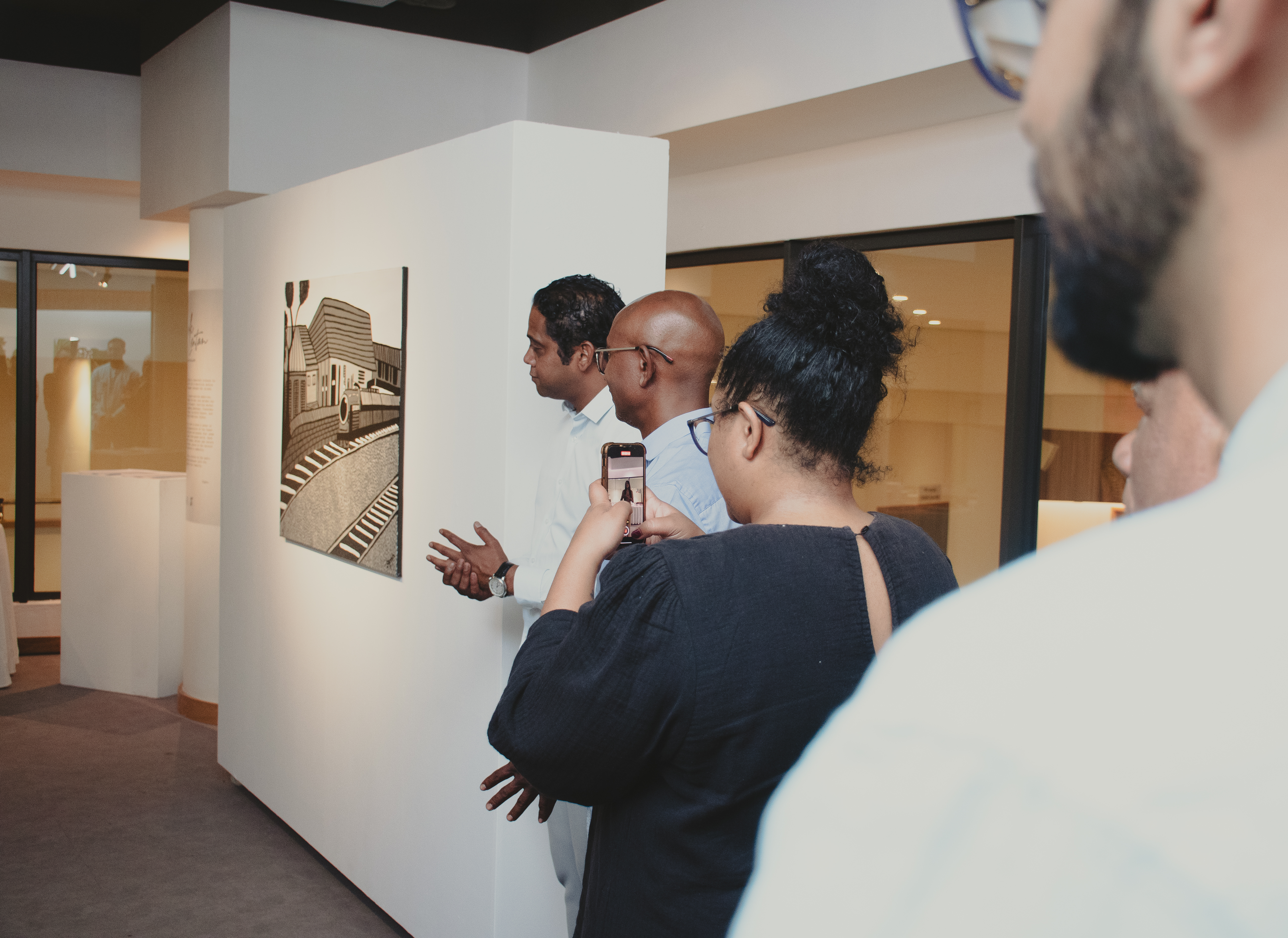
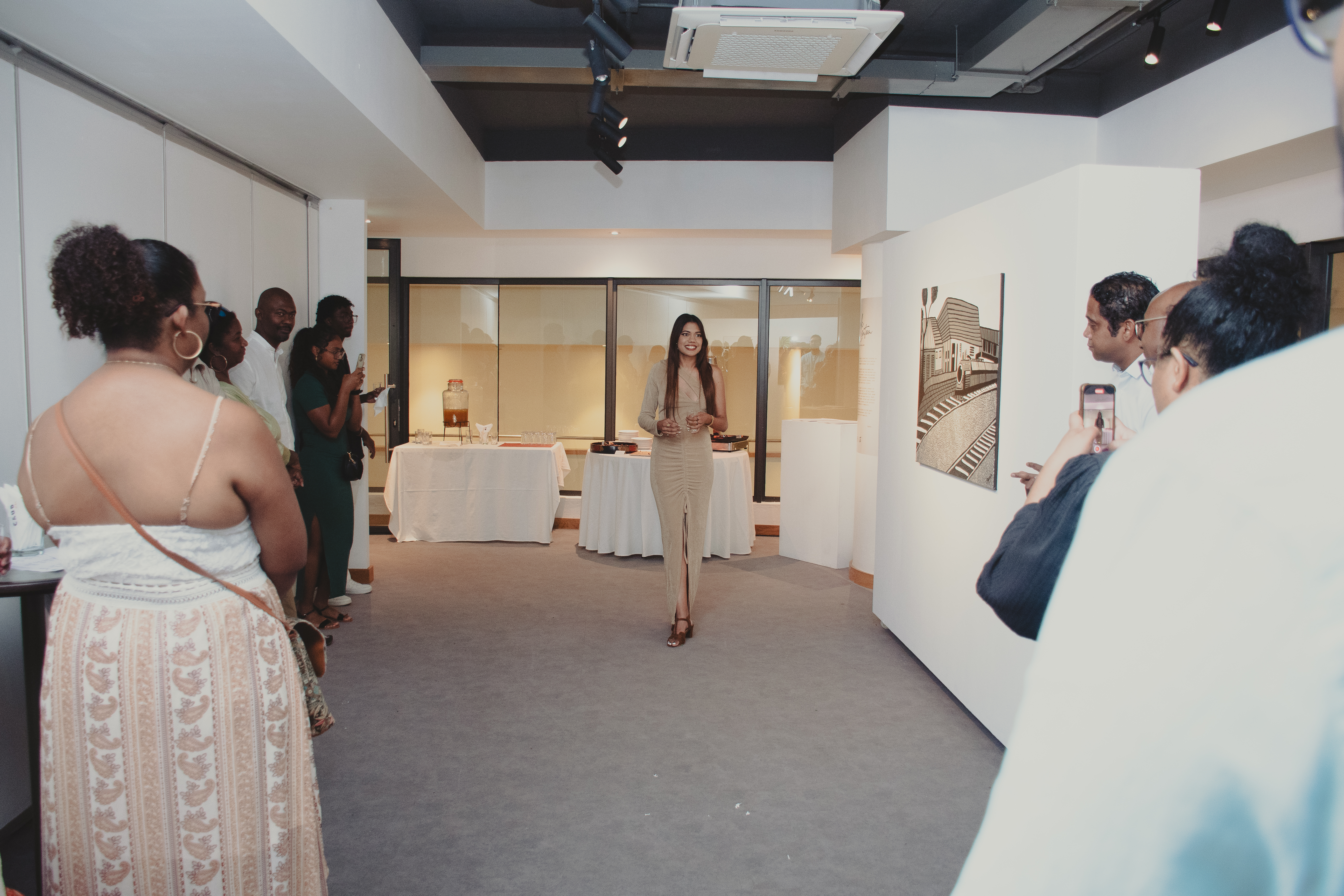
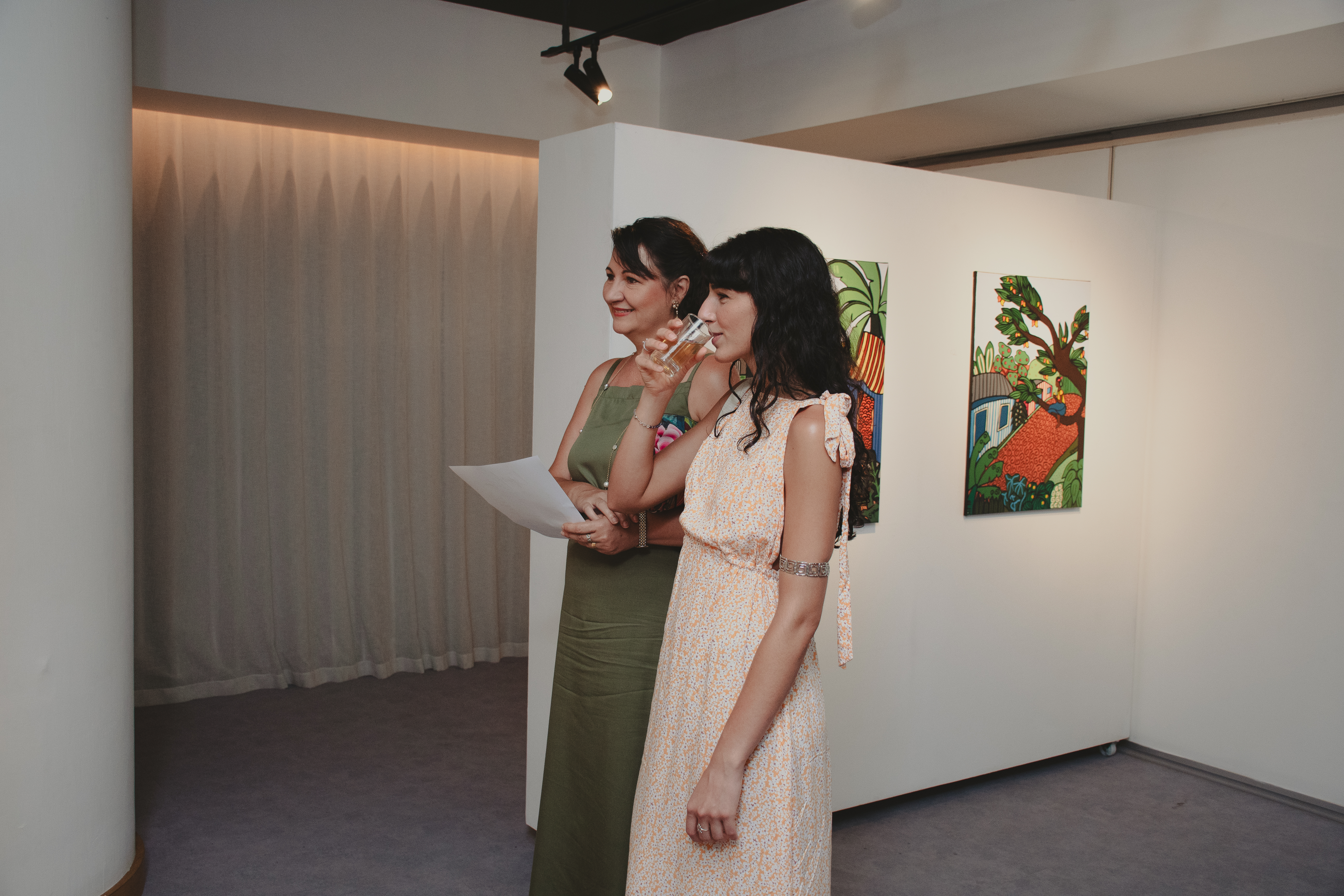
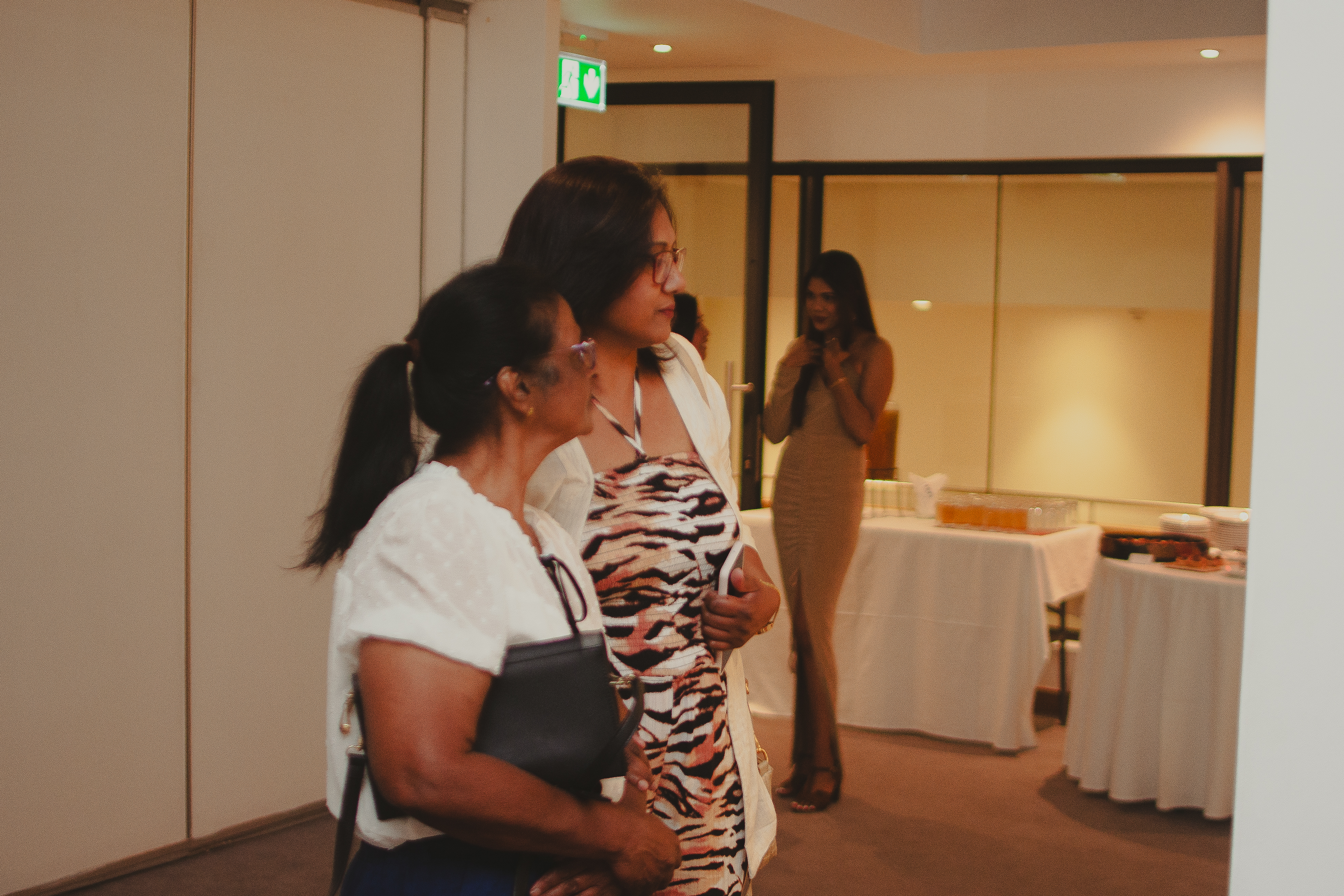
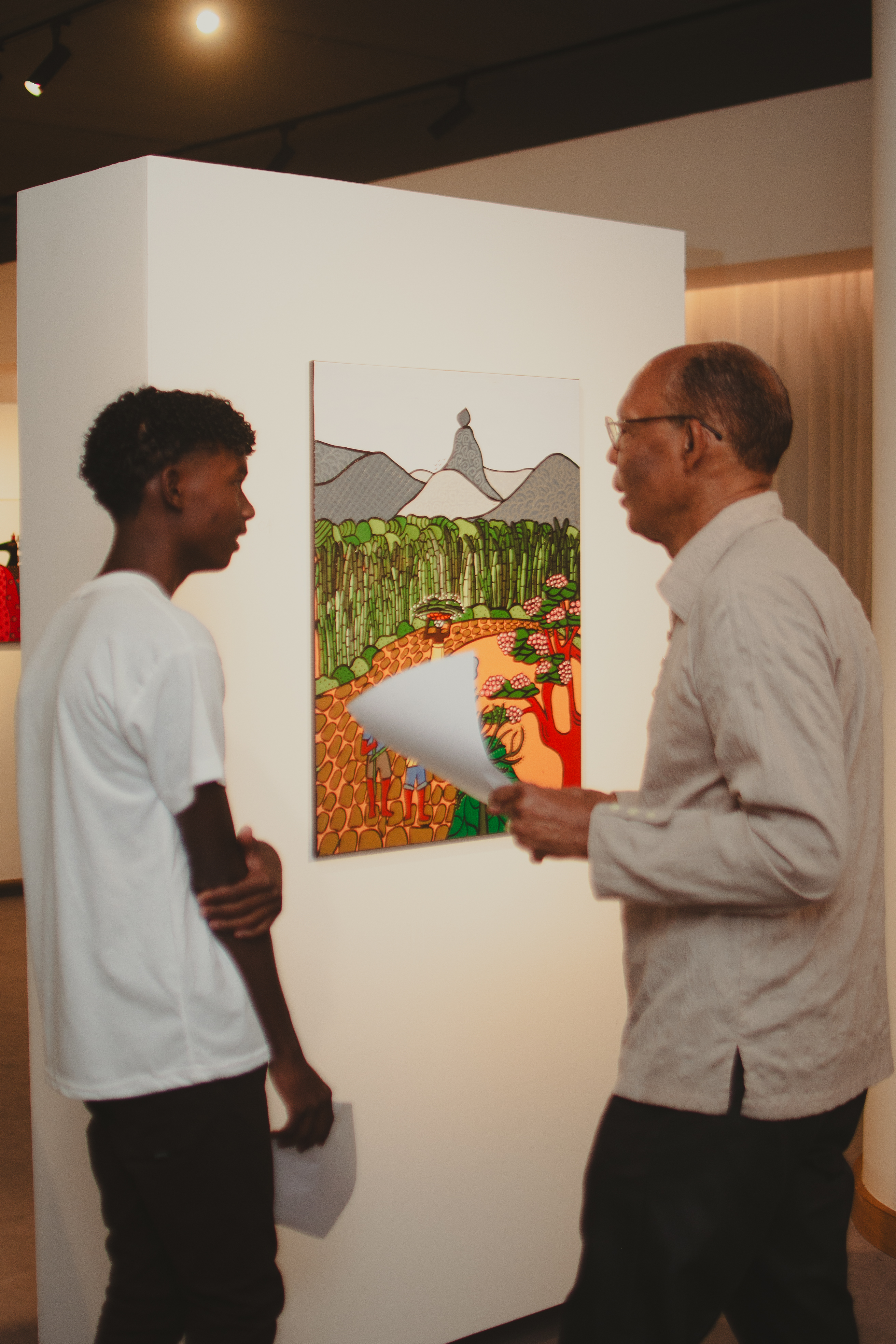
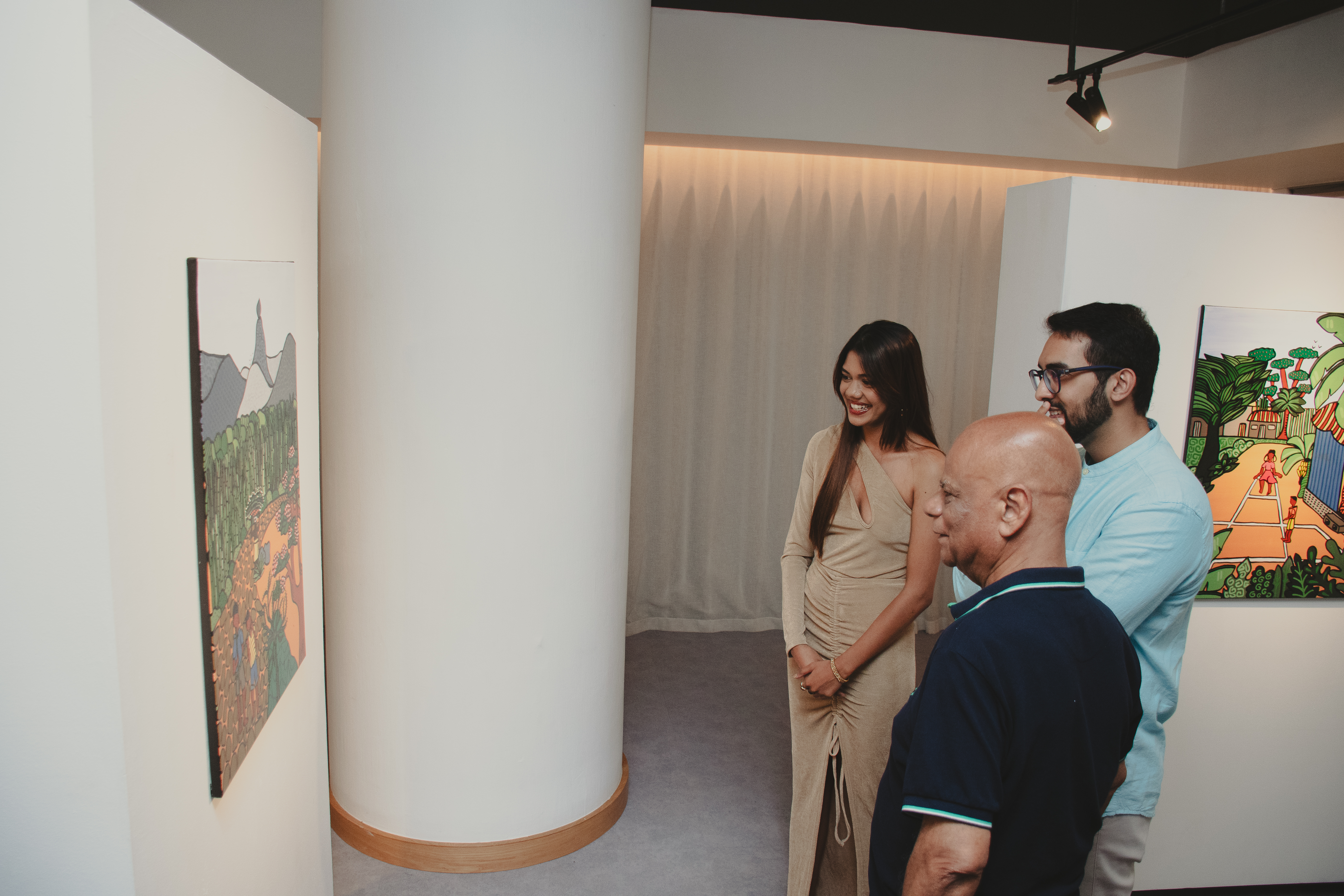
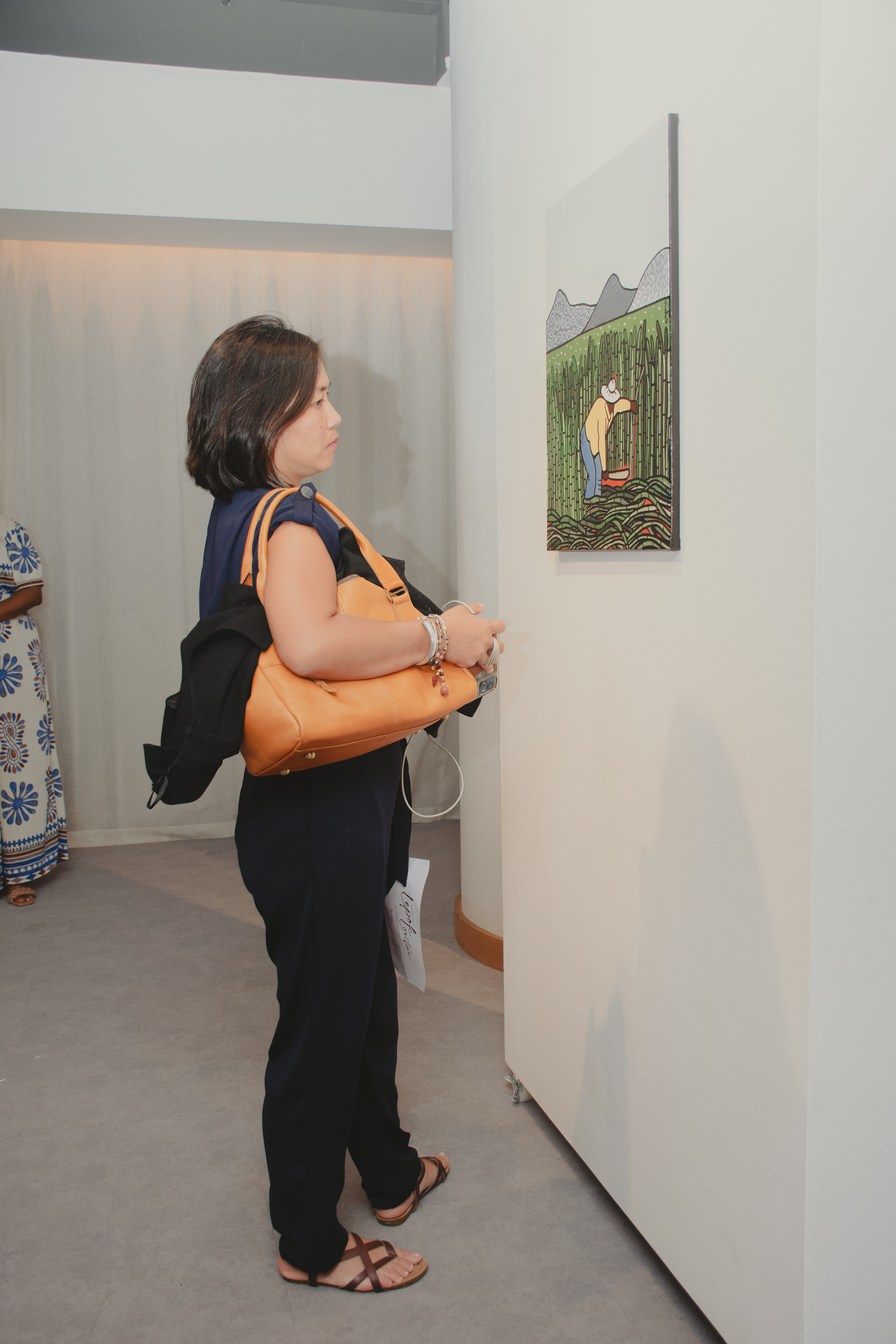
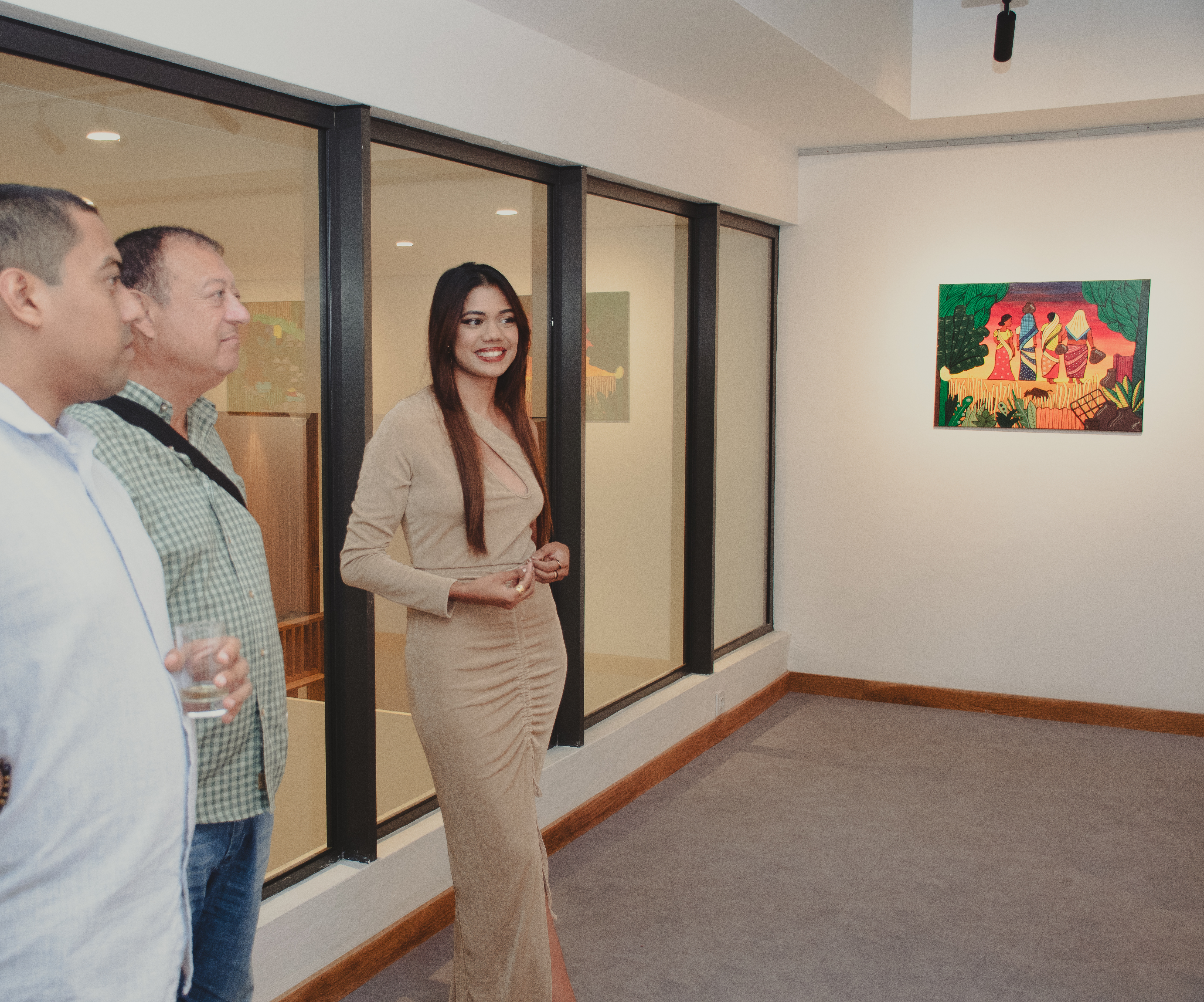
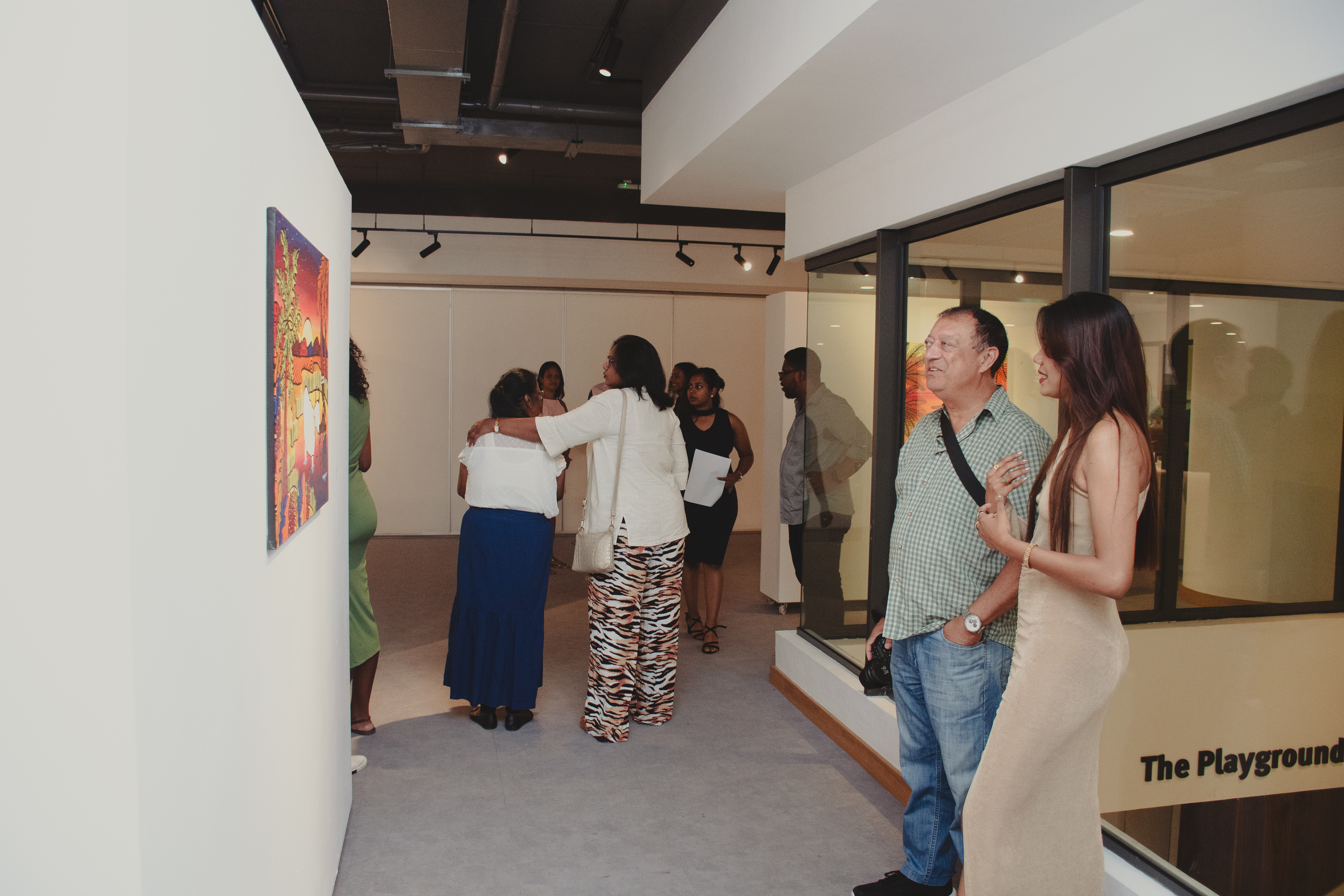
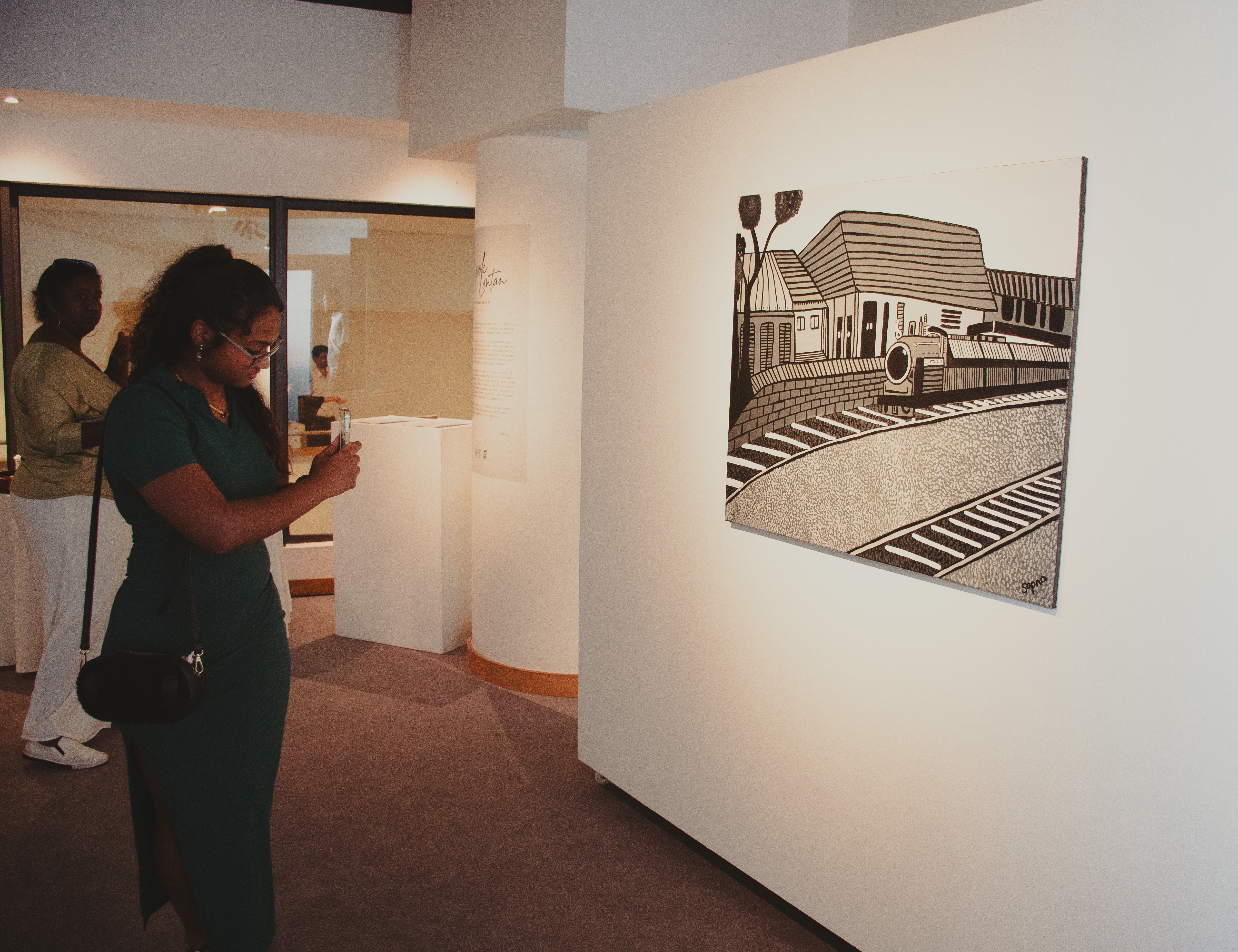
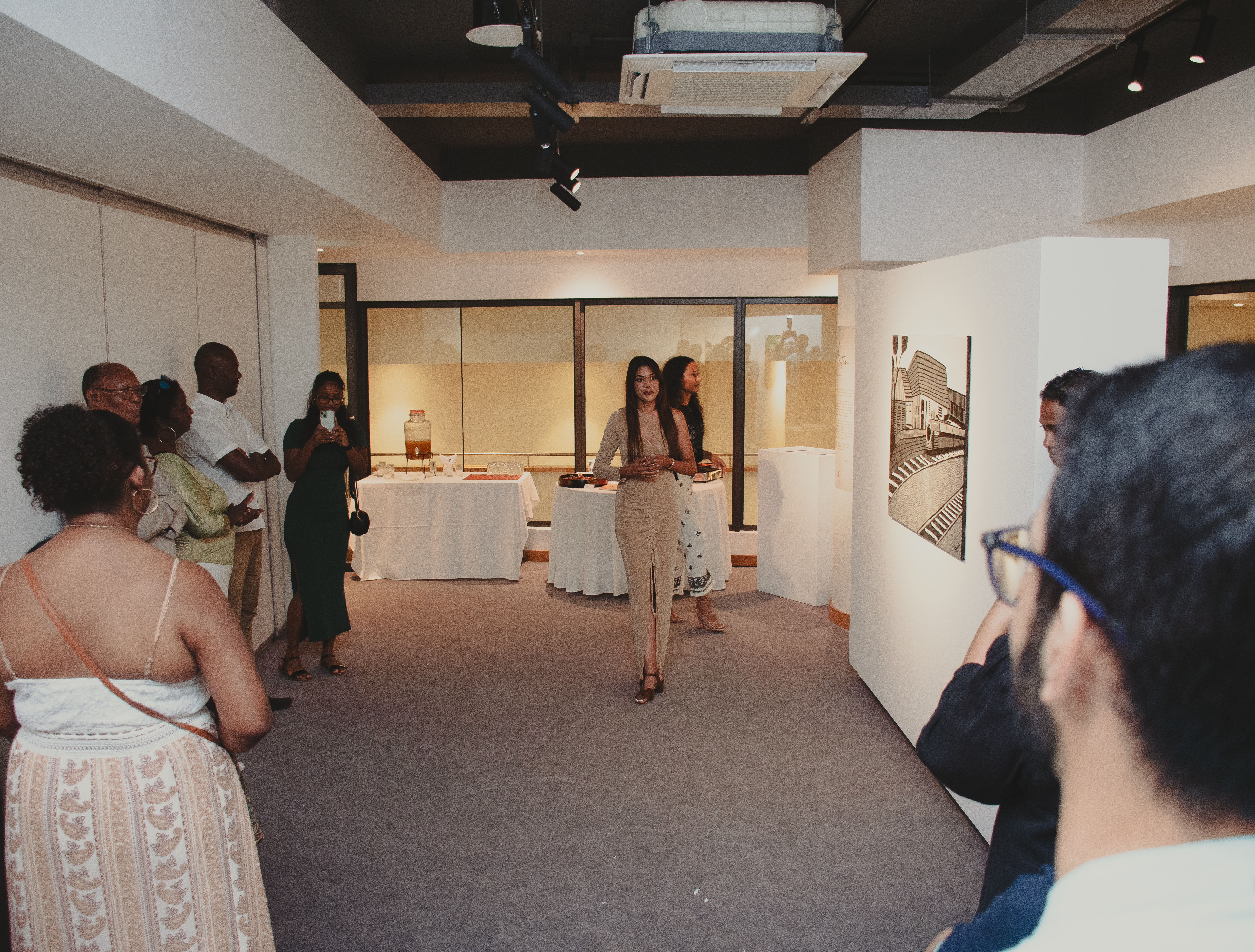
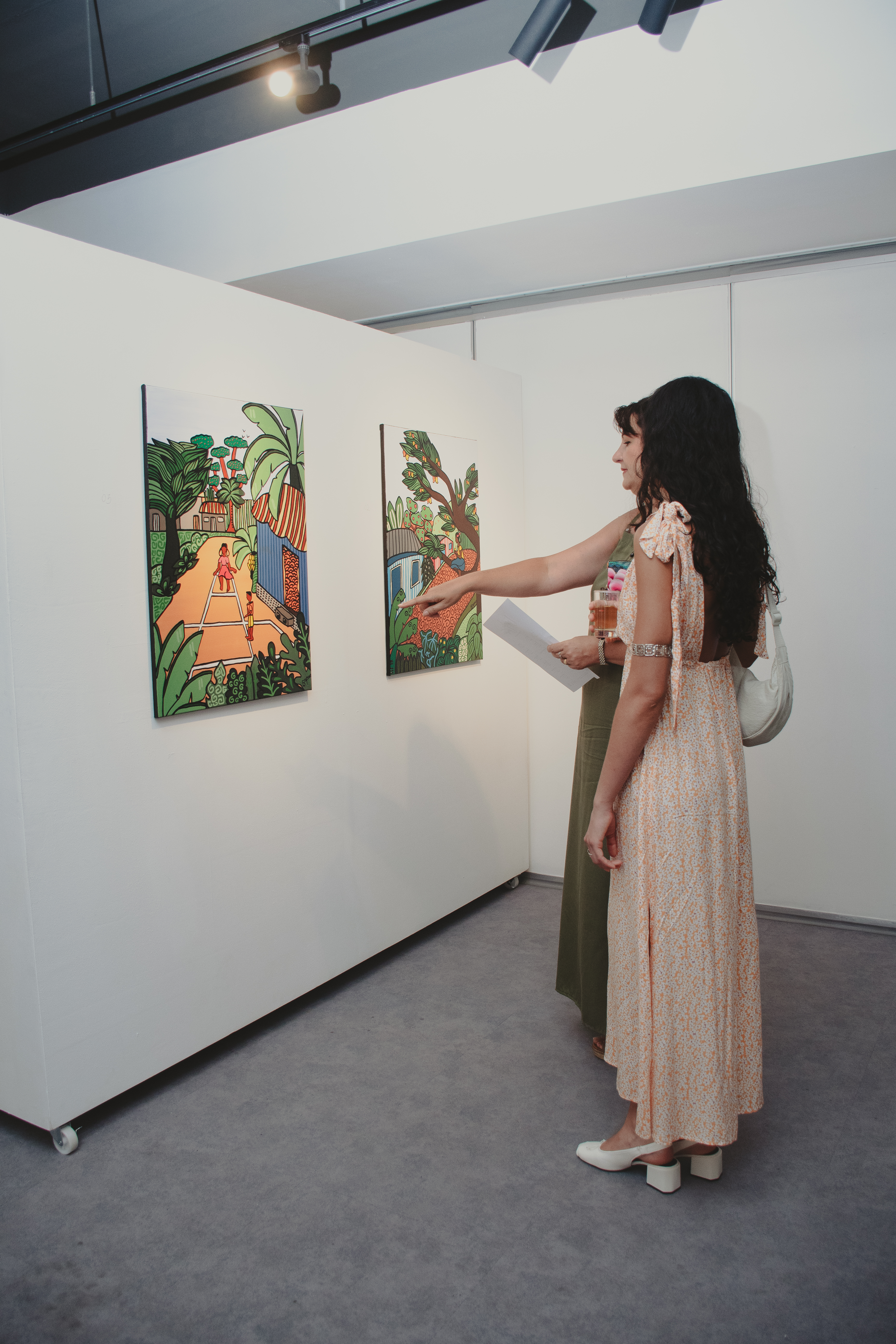

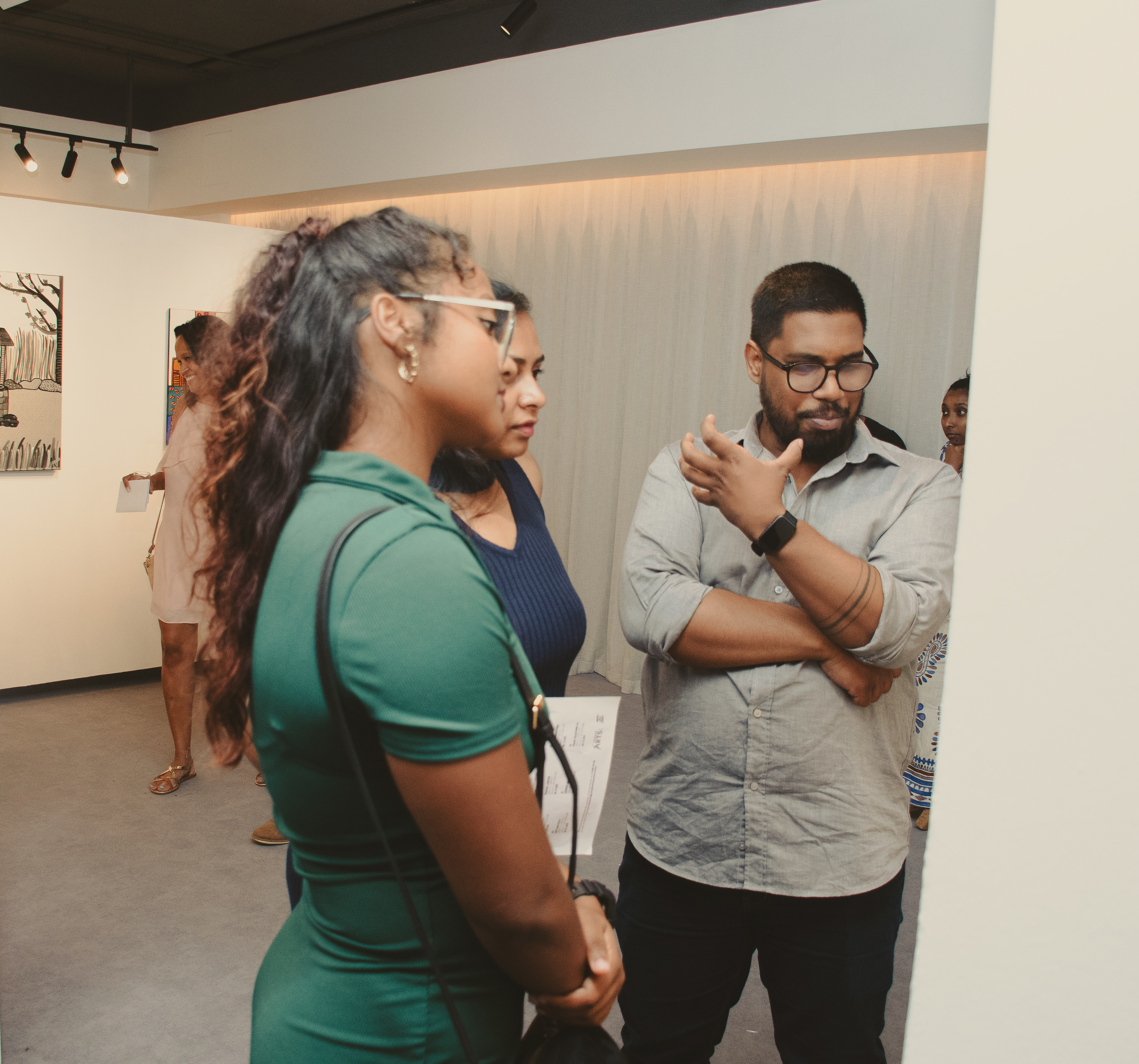
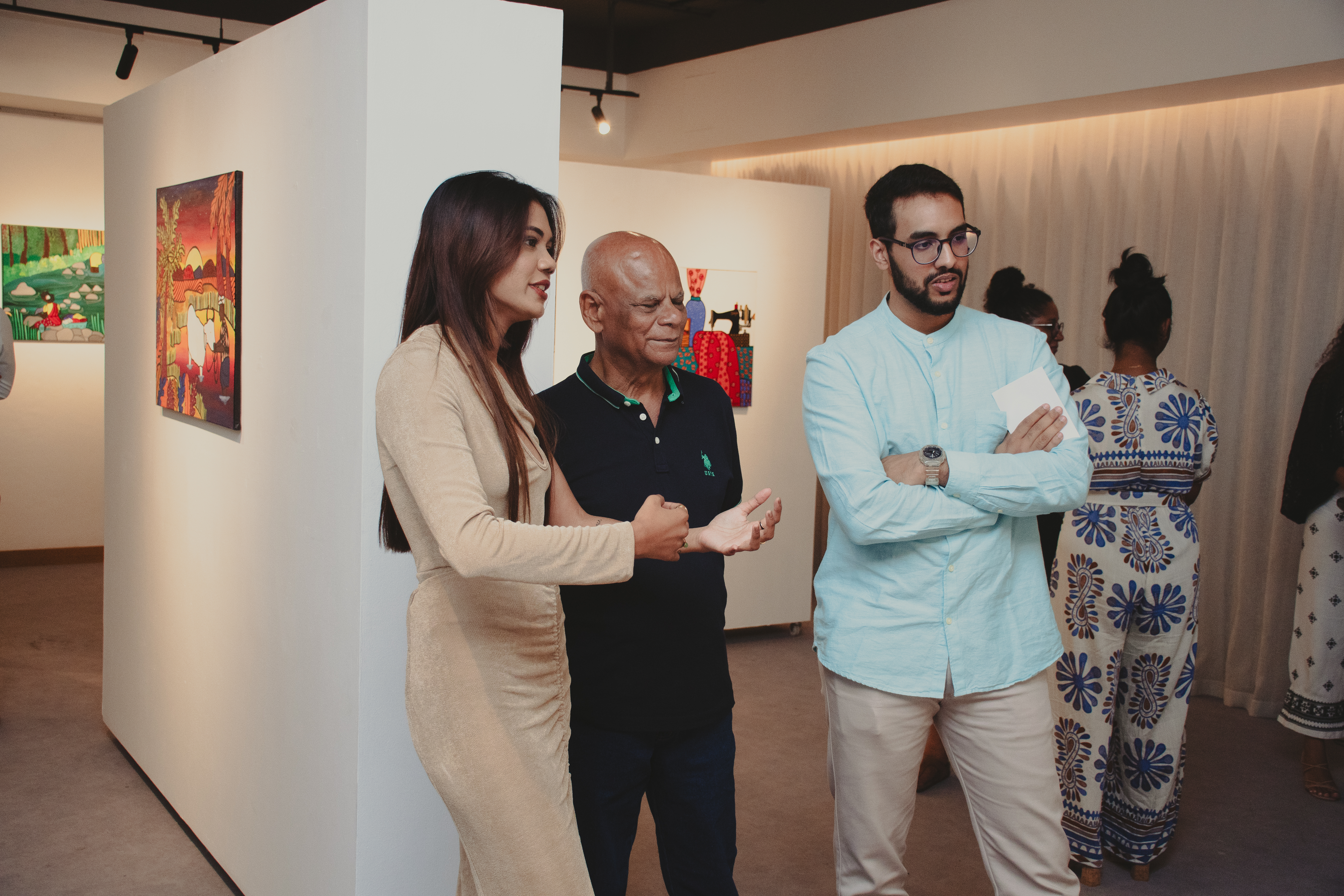
Paintings presented
Mama Kreole
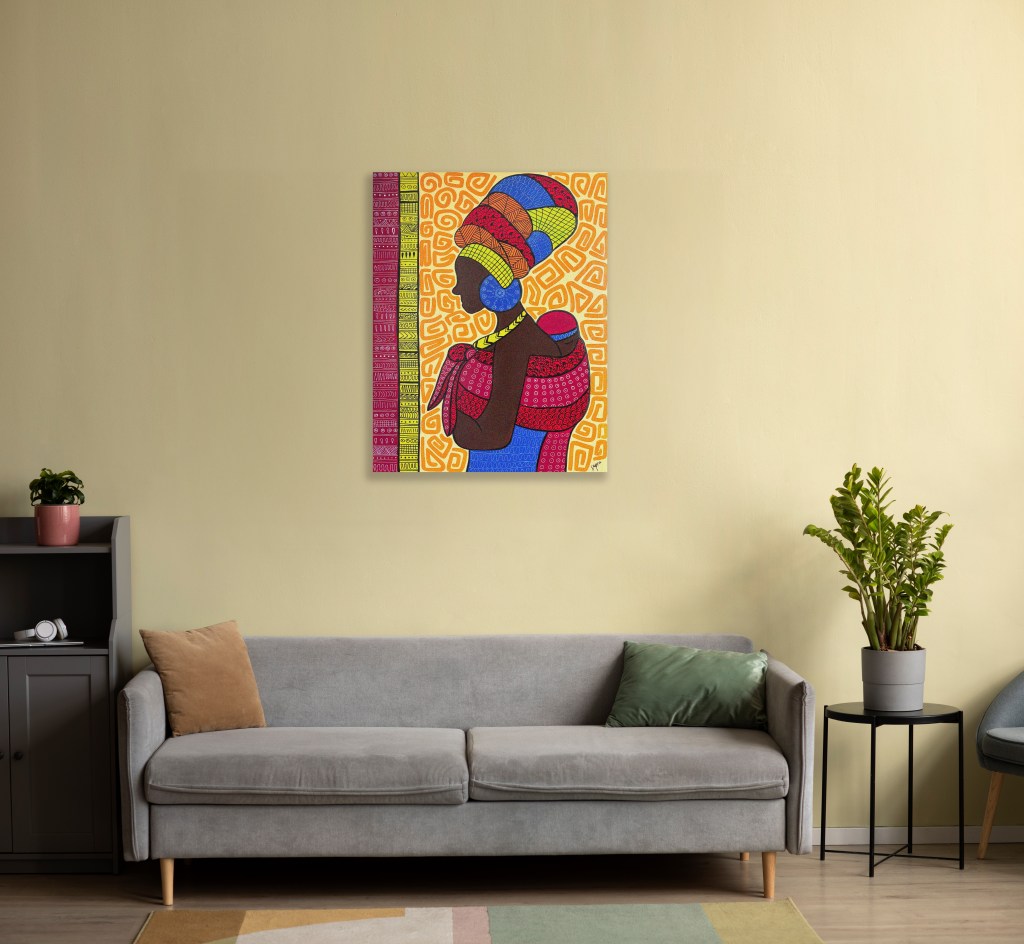
The history of Mauritius is deeply marked by the stories of African slaves who were brought to our island against their will, their spirits resilient despite the unimaginable hardships they endured. Torn from their homelands, they were forced to work on sugarcane plantations, laying the foundation of an economy built on their sweat, tears, and blood.
Among them were Creole mothers, burdened with the dual weight of labor and motherhood in a world that showed them no mercy. With babies strapped to their backs, they worked tirelessly under the blistering sun, nurturing life even in the face of suffering. These women carried more than just their children; they bore the hope of freedom, resilience, and a future where their lineage would rise above the chains of oppression.
Their legacy lives on in the vibrant Creole culture of Mauritius today—a testament to their strength and creativity. It is woven into our music, language, and traditions, reminding us of their endurance and the indomitable spirit of love, even in the darkest times.
As an artist, I feel a profound responsibility to honor these voices. Through my work, I strive to capture the depth of their pain, the beauty of their resilience, and the enduring hope they passed down through generations. Their stories deserve to be remembered, not as shadows of suffering, but as beacons of strength that shaped the soul of our island.
Anou Lave Linge
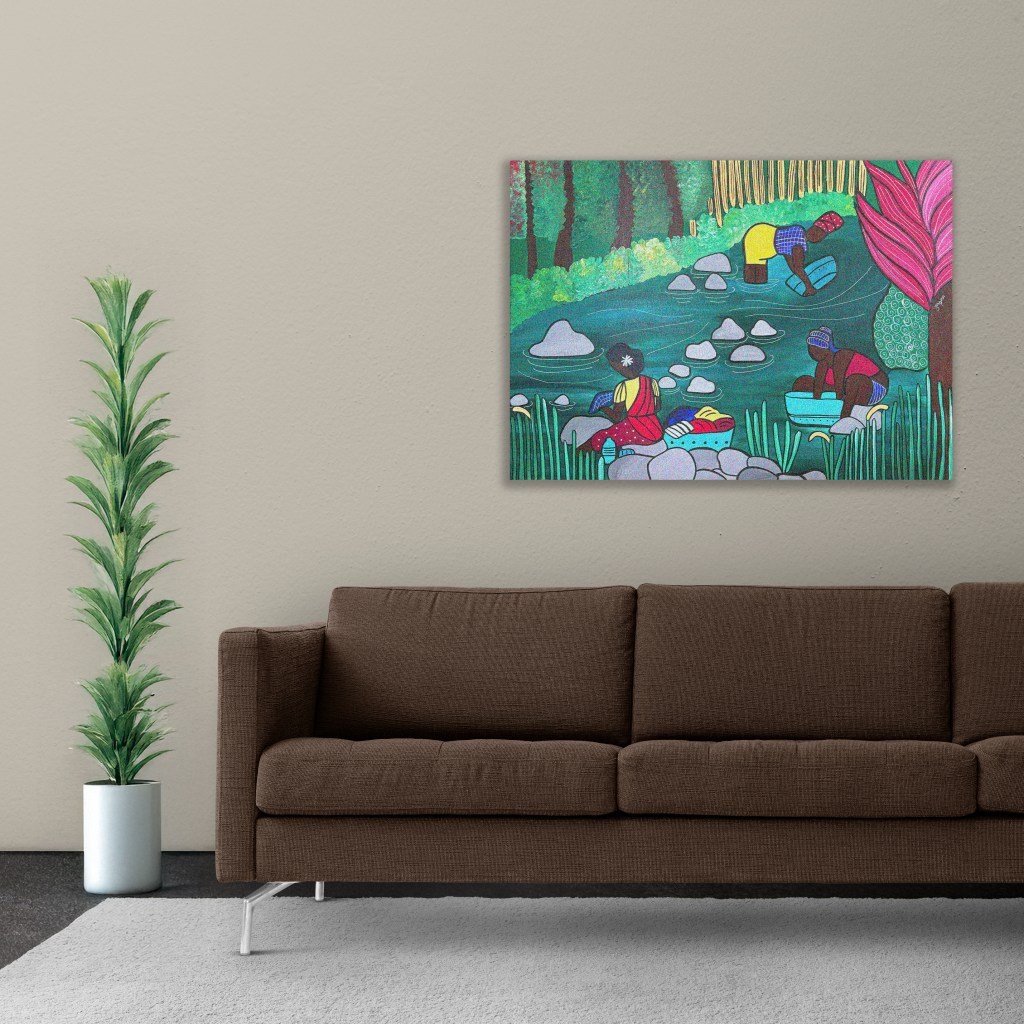
With « Anou lave linge », the first painting in my « Lepok Lontan » collection, I invite viewers into the heart of Mauritius’s immigrant past. This piece is a tribute to the countless women who left behind all they knew, crossing seas to reach this island. Their courage, grace, and enduring spirit laid the foundations of a new life and wove the cultural tapestry that continues to shape our nation.
In this scene, women stand together at the riverside, wrapped in saris and skirts, hands moving in harmony with the simple yet familiar motions of washing clothes with the cherished « savon bleu » and their « cuvette. » There was no machinery, only hands and hearts in unison, the coolness of the water a gentle reprieve from their labor. Here, they connected with each other—sharing moments of laughter, whispers of hope, and the strength to persevere. The river, with its steady flow, mirrors life’s constancy and simplicity, framing the women in a landscape that felt as much a part of them as their own hands.
In painting this scene, I sought to capture the resilience, grace, and profound simplicity of their lives, an echo of their joys and burdens, their friendship and shared dreams. « Anou lave linge » is my homage to their legacy—a reminder of the quiet, unwavering strength they brought to Mauritius’s story.
Porteuz Delo
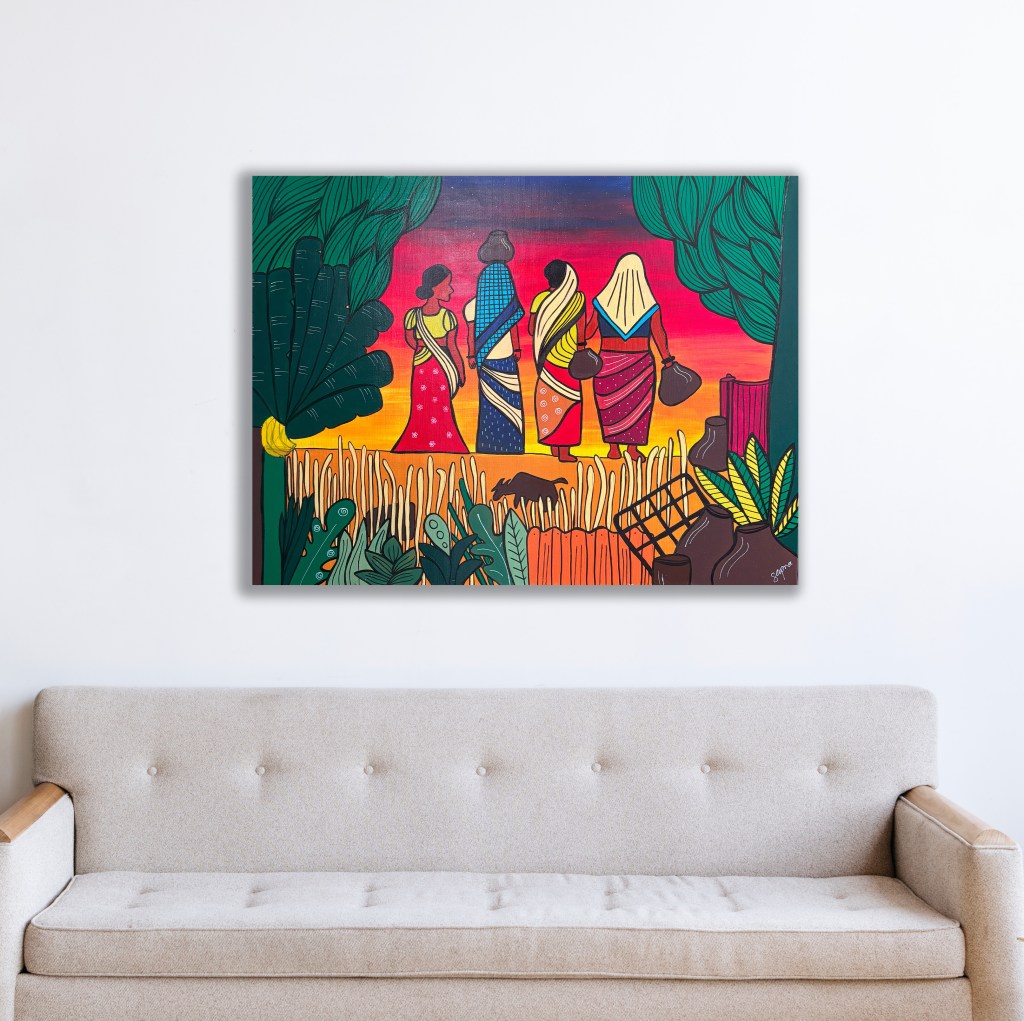
This painting is a celebration of resilience, a tribute to the indomitable spirit of the indentured women laborers of Mauritius. With every brushstroke, I aim to honor their unyielding strength, the silent grace with which they bore the weight of history—both literally and figuratively.
In the tender light of dawn, these women walk together, their silhouettes glowing against the soft hues of the sky. They move as one, united by purpose, heading to the borehole to fetch water for their families. Their vibrant sarees ripple like rivers of courage, flowing through the misty fields of sugarcane—a poignant reminder of their unrelenting toil and the beauty of their endurance.
The buckets they carry are more than vessels; they embody hope, sustenance, and the love that fuels their unwavering dedication to their families. The borehole stands not merely as a well but as a beacon of togetherness, a gathering place where burdens are shared, and strength is multiplied through an unspoken sisterhood.
They remind us that even in the harshest conditions, there exists a profound beauty—a resilience that lights the path forward. These women, often overlooked by history, were architects of survival and stewards of the future, carrying not just water but the legacy of perseverance.
This work is my ode to their sacrifice, an invitation to honor their stories and draw inspiration from their courage. It is a call to remember that strength is found not only in grand gestures but in the humble, everyday acts of love and endurance that shape the world for generations to come.

Three women, three stories, three journeys—woven together into the rich fabric of Mauritius. This triptych painting celebrates the indomitable spirit of the Chinese, Indian, and African women whose ancestors journeyed across vast oceans, bringing with them resilience, culture, and a profound connection to life. The first panel honors the Chinese woman, a beacon of discipline and enterprise. She stands as a symbol of perseverance, her traditions carried in the intricate folds of silk and the wisdom of ancient calligraphy. Her ancestors brought not only spices and trade but also the philosophy of balance and harmony, which now flows through the island’s heartbeat. In the center, the Indian woman radiates vibrant energy, embodying devotion, art, and celebration. Draped in vivid colors, she represents the legacy of Bhojpuri songs, sacred rituals, and the culinary treasures her forebears introduced. Her presence speaks of endurance, of generations who tilled the soil while planting seeds of culture that continue to bloom today. The final panel tells the story of the African woman, standing tall with strength and grace. She embodies the soul of rhythm, from the drumbeats of sega to the movements of the ravanne. Her ancestors’ courage and unity during times of hardship echo in the vibrant pulse of Mauritian life, a reminder of the power of community and freedom. Together, these women form a powerful narrative of Mauritius itself—a land of many origins, shared struggles, and collective triumphs. The triptych captures not just their beauty, but their essence: a testament to how the human spirit transcends borders and time to create something extraordinary.
Carro Cannes
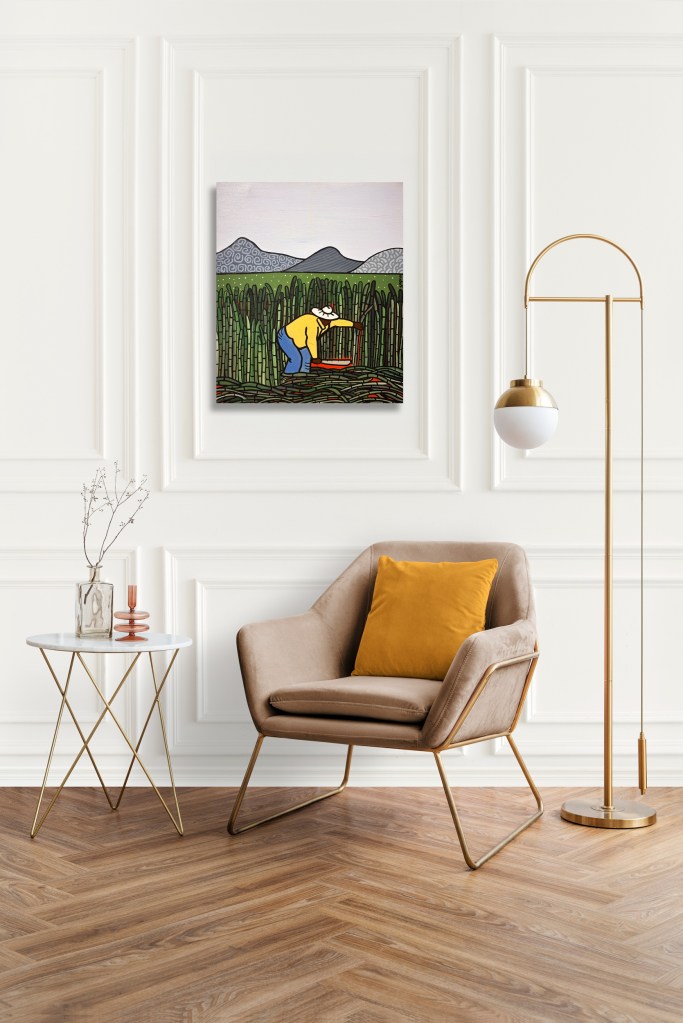
Long ago, in the soft light of dawn, a man moved through the vast sugar cane fields of Mauritius, his machete slicing through the stalks with practiced ease. Each swing echoed with the rhythm of generations, hands worn and strong, carving a legacy in the earth. The sweet scent of sugar cane filled the air, a silent tribute to the land that had nourished him, just as it had nourished those before. His work was not just of harvest, but of connection—a timeless dance between man and nature, where every cut carried the weight of history, and every stalk stood as a symbol of resilience, of life rooted in the soil.
Bef dan Dilo
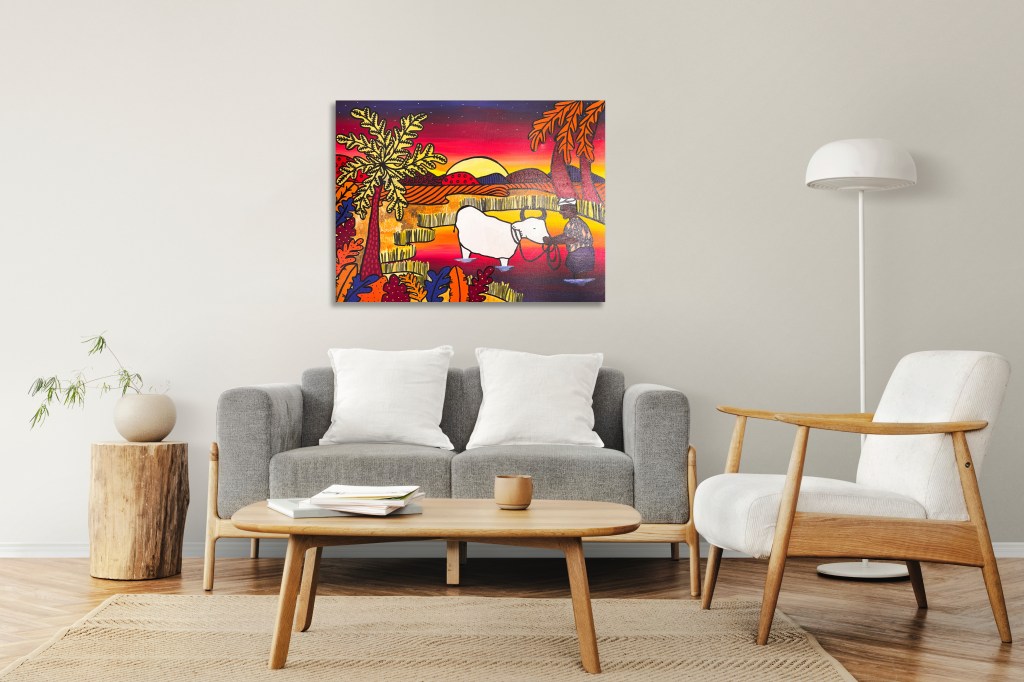
“Bef Dan Dilo” captures a serene and timeless moment from long ago in Mauritius, where the rhythm of nature and daily life intertwined. The painting portrays a man, strong yet gentle, leading his cattle into the cool embrace of the lake. As the cattle wade into the water, their bodies glisten under the soft light of the setting sun, and the man, with a sense of quiet devotion, bathes them in the clear, reflective waters. Each movement, whether of the man or the cattle, carries the weight of tradition—an intimate connection to the land and its rhythm. The surrounding trees, with their vibrant green canopies, stand as silent witnesses to this ritual, while the still waters mirror the peaceful simplicity of life in the past. This painting not only speaks to the daily labor of that time but also to the deep, enduring bond between man, animal, and nature in Mauritius.
L’echo gramophone
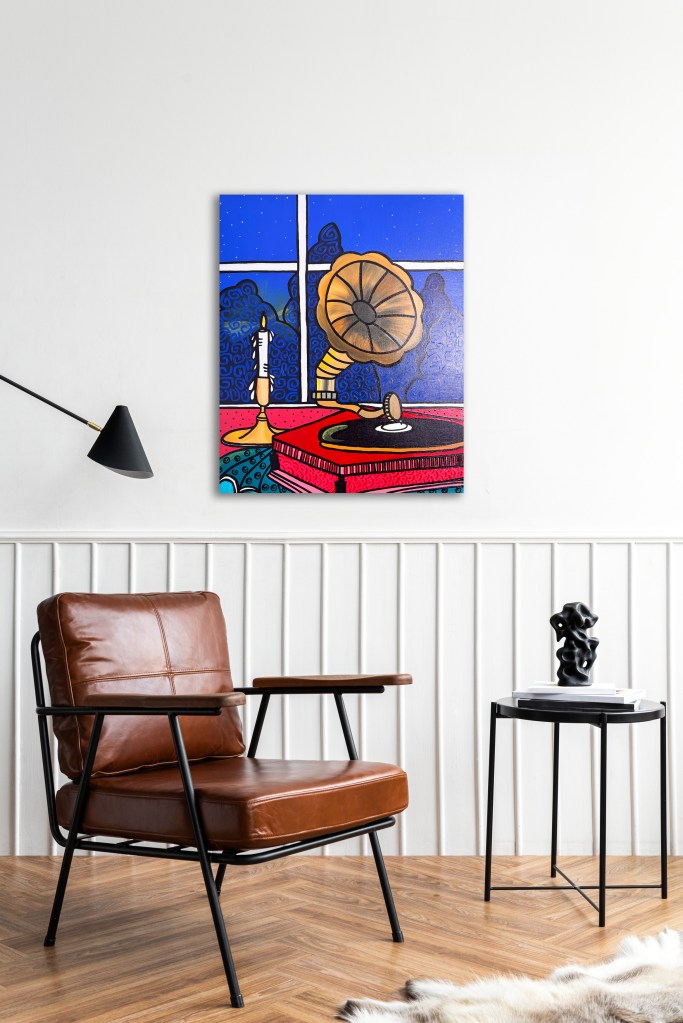
Long ago, the gramophone in Mauritius was the soul of the evening, where melodies filled the air and transported listeners to a world of nostalgia and dream. Its brass horn, gleaming under the soft glow of a lamp, would capture the music as it spun, each note a reminder of simpler times. The crackle of the record and the gentle hum of the turntable created an intimate atmosphere, where stories, songs, and laughter intertwined. In those moments, the gramophone was more than just a machine; it was a storyteller, a keeper of memories, and a bridge between the past and present. This painting captures that timeless essence—the way music from the past still resonates in the heart, long after the record stops spinning.
La Marelle
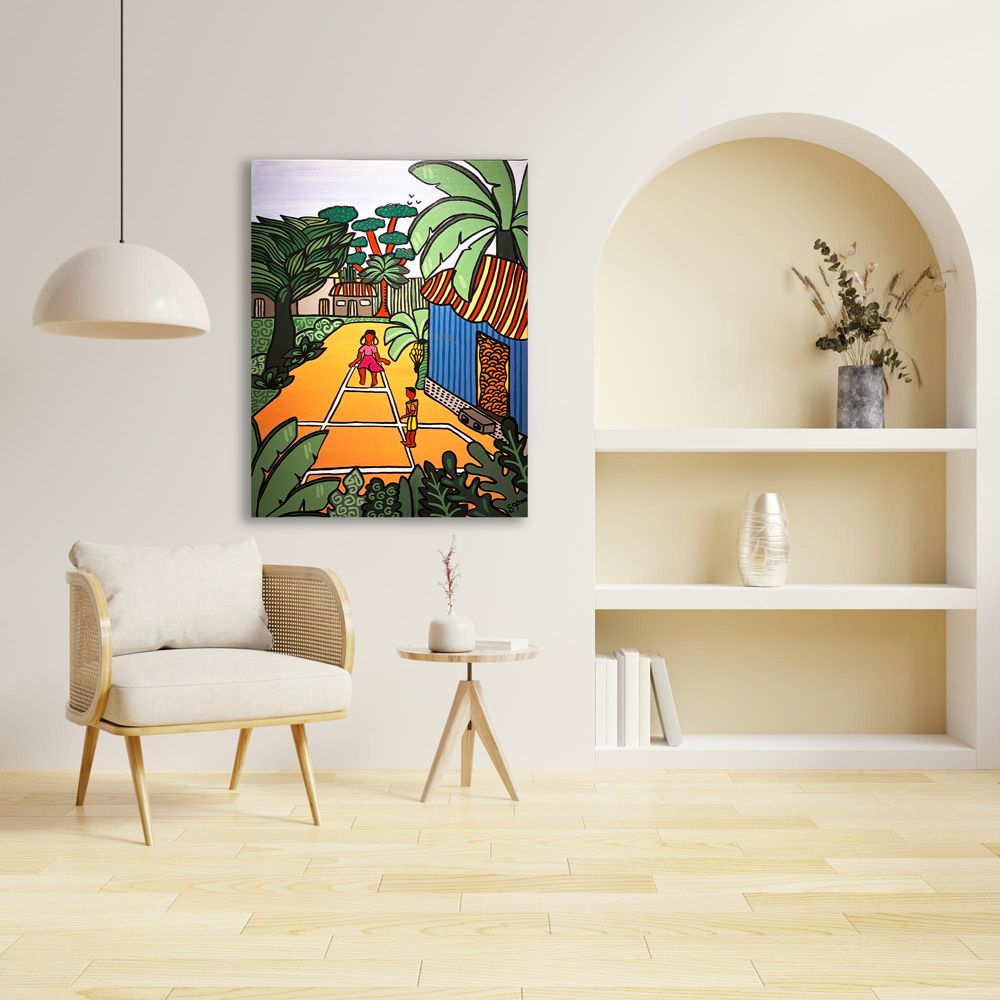
Long ago, the sounds of laughter filled the air as children played la marelle on the sun-warmed earth of Mauritius. The small chalked-out squares on the ground, faded by time, became their world—each hop and skip a fleeting moment of pure joy. Barefoot and carefree, they danced across the pavement, the rhythm of their steps echoing against the backdrop of swaying trees and distant mountains. The game was more than a simple pastime; it was a celebration of childhood, of freedom and imagination. In those moments, under the endless sky, life was a playful journey, where every jump carried dreams, and every fall was met with a smile. The world was vast, yet small and perfect in the simplicity of their laughter.
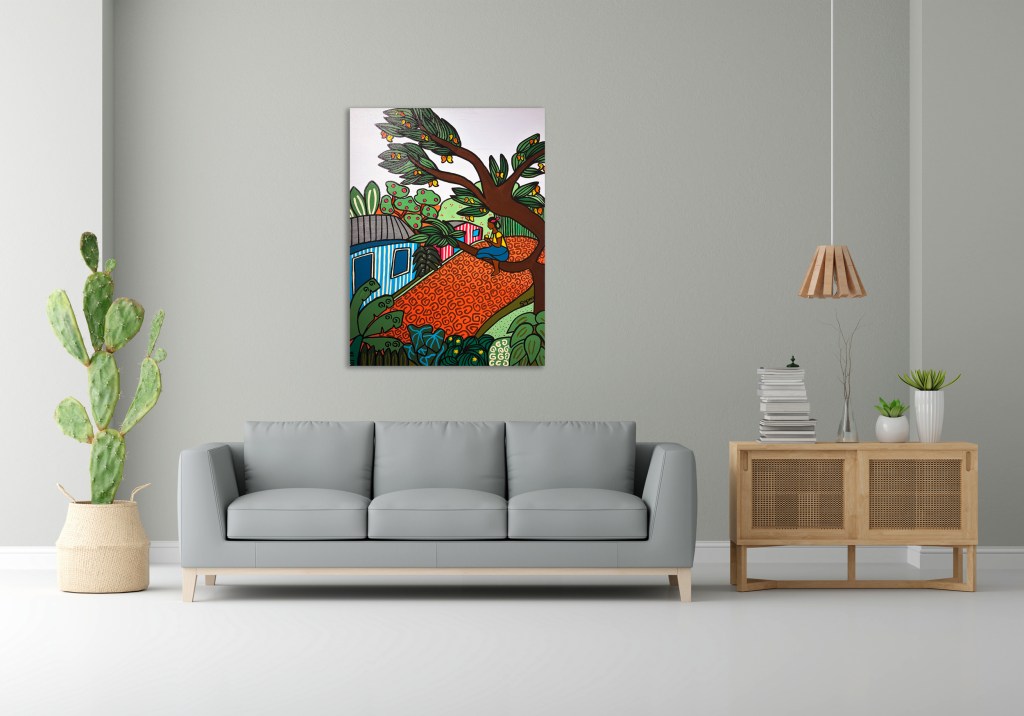
Manz mangue lor pie
Kouraz Peser
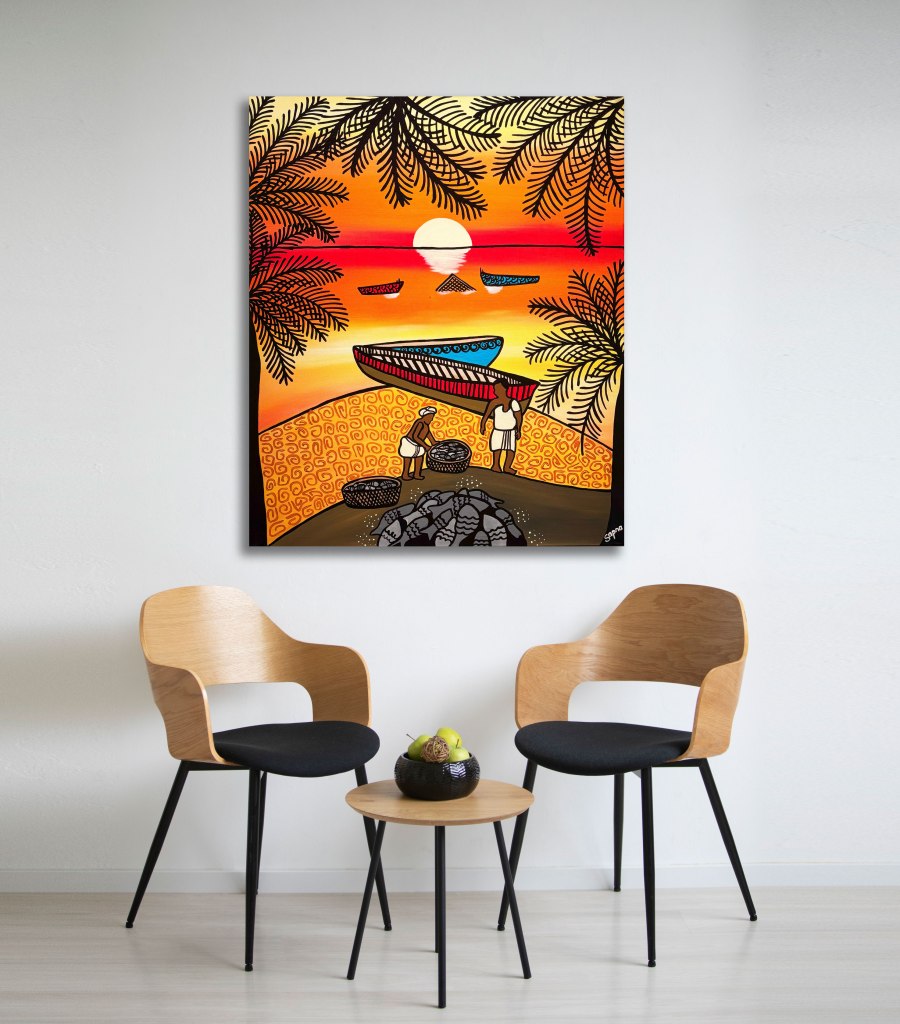
“Kouraz Peser” brings to life the quiet courage and simplicity of fishermen in Mauritius long ago, where the sea met the shore with an eternal rhythm. The painting depicts these fishermen, their faces weathered by the sun, their hands steady with purpose as they cast their nets into the calm waters. There is no rush in their movement, only the quiet determination of those who understand the delicate balance between effort and nature’s grace. Their boats, humble and small, float gently on the water, a symbol of resilience and tradition passed down through generations. The soft glow of the early morning light bathes the scene, illuminating their work and the serenity of the sea, while the distant horizon promises both challenge and hope. “Kouraz Peser” is not just a painting of fishermen; it is a tribute to the quiet courage of those who depend on the ocean, their simple way of life speaking volumes about endurance, patience, and the deep bond between the island’s people and the sea.
Lavi Train
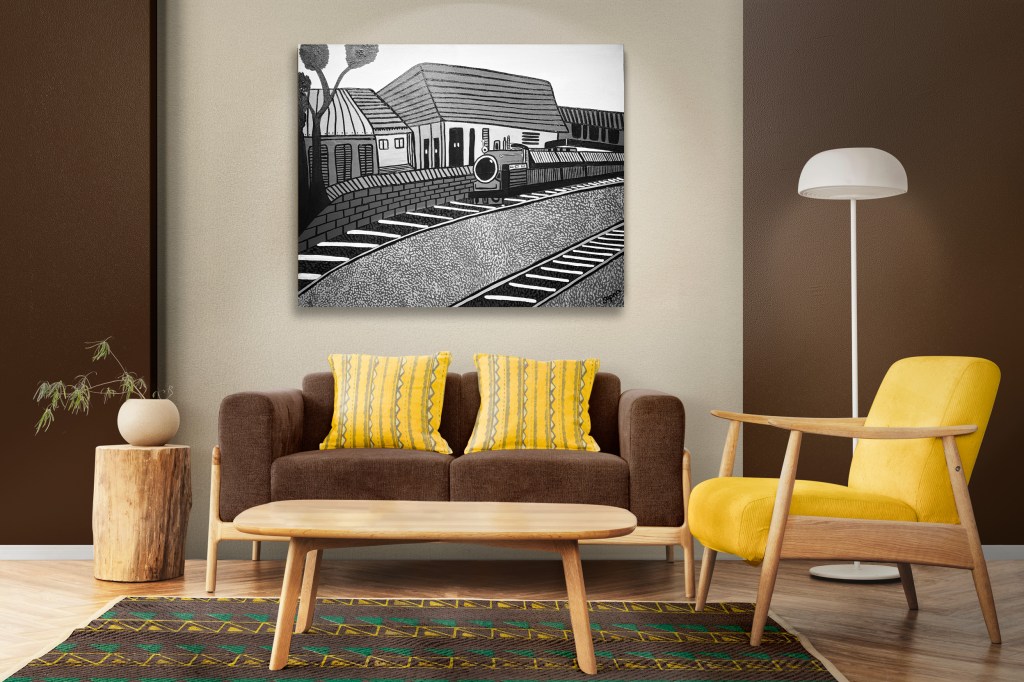
“Lavi Train” evokes the vibrant pulse of life long ago in Mauritius, where the train was more than just a mode of transport—it was the heartbeat of connection, the thread that wove together distant places, families, and dreams. The painting captures the vintage train as it winds its way through the lush landscapes, billowing steam as it journeys across the island. The sound of its whistle is almost audible, a nostalgic reminder of a time when travel was an adventure, and every station held the promise of reunion or departure. The train, with its wooden carriages and timeless elegance, moves through scenes of everyday life—passengers gazing out at the passing fields, the chatter of vendors selling their wares, and the rustling of palm trees swaying in the breeze. “Lavi Train” is a tribute to the soul of the island, a visual memory of a past where the train was more than just transport, but a vessel of stories, connections, and the rhythm of a life lived in motion.
Pieter Both
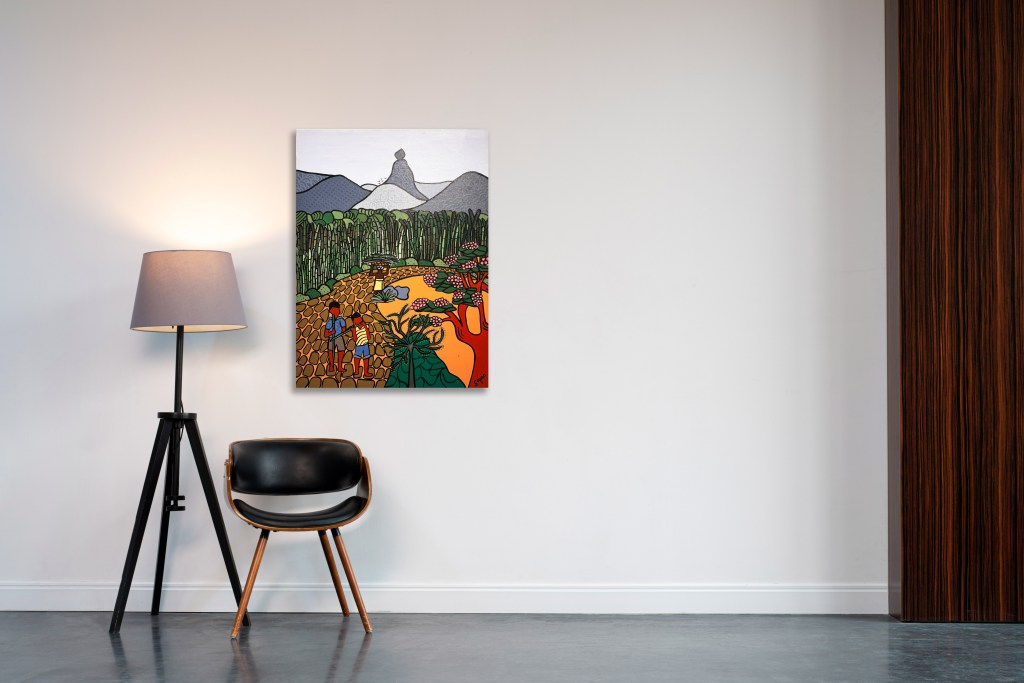
As the sun begins to dip behind the majestic Pieter Both mountain, two young boys stroll down a narrow road, the air filled with the sweet scent of fresh sugar cane. Their hands are sticky with the juice as they chew on the fibrous stalks, the taste of childhood joy lingering on their lips. With each step, they chatter excitedly, their footsteps light on the earth, their laughter echoing through the serene landscape. The narrow road winds gently, framed by the vibrant hues of nature—the deep green of the Mouroum trees stretching their limbs toward the sky and the fiery pink blooms of the Flamboyant tree, offering a vivid contrast to the blue mountains in the distance.
Not far ahead, an old man walks with a steady rhythm, a bundle of sugar cane balanced gracefully on his head. His presence carries the weight of years, the quiet strength of someone who has lived through seasons and stories. His steps are deliberate, like those who understand the simple beauty of this land—the land that nourishes and supports. As he passes, the boys pause, their eyes widening with respect for the elder, a symbol of the tradition that continues to pulse through the heart of Mauritius.
This moment, where time seems to slow, is more than just a walk through a rural road. It is a snapshot of Mauritius itself—rooted in nature, where sugar cane fields stretch far beyond the horizon, where the trees stand as silent witnesses to generations, and where the rhythms of life flow gently, yet persistently, like the soft winds brushing against the mountain.
Pik linge la
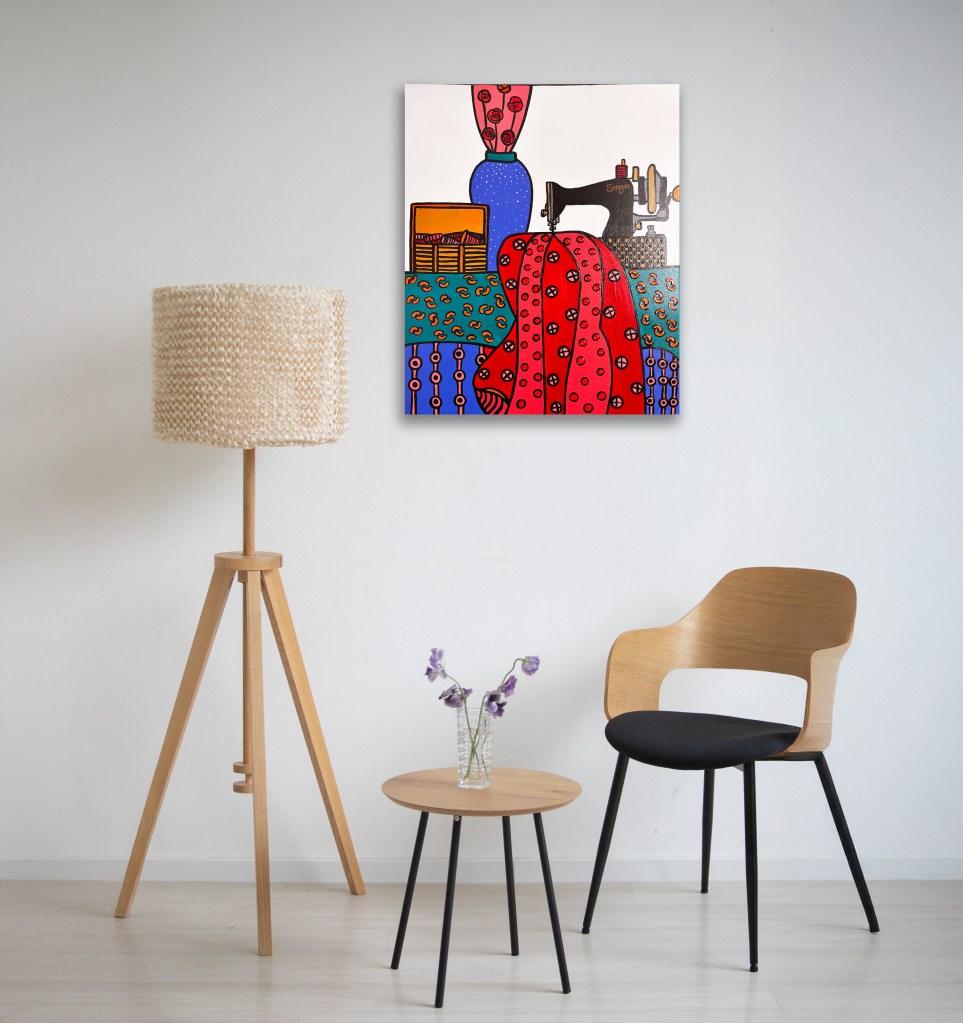
Long ago, the sewing machine in Mauritius was not just a tool—it was a heartbeat of the home, the quiet rhythm of creativity and craftsmanship. Its pedal, worn smooth by years of use, moved with steady purpose, each press a step toward something new. The hum of the machine filled the room, blending with the laughter of families and the soft whispers of dreams taking shape in the fabric. With every stitch, the seamstress wove not only threads but stories, creating garments that held memories, hopes, and love. This painting of the old sewing machine captures a time when hands, guided by skill and care, transformed simple cloth into something beautiful—when the act of sewing was an art, and the fabric of life was stitched together with patience and passion.
Prend telephone la
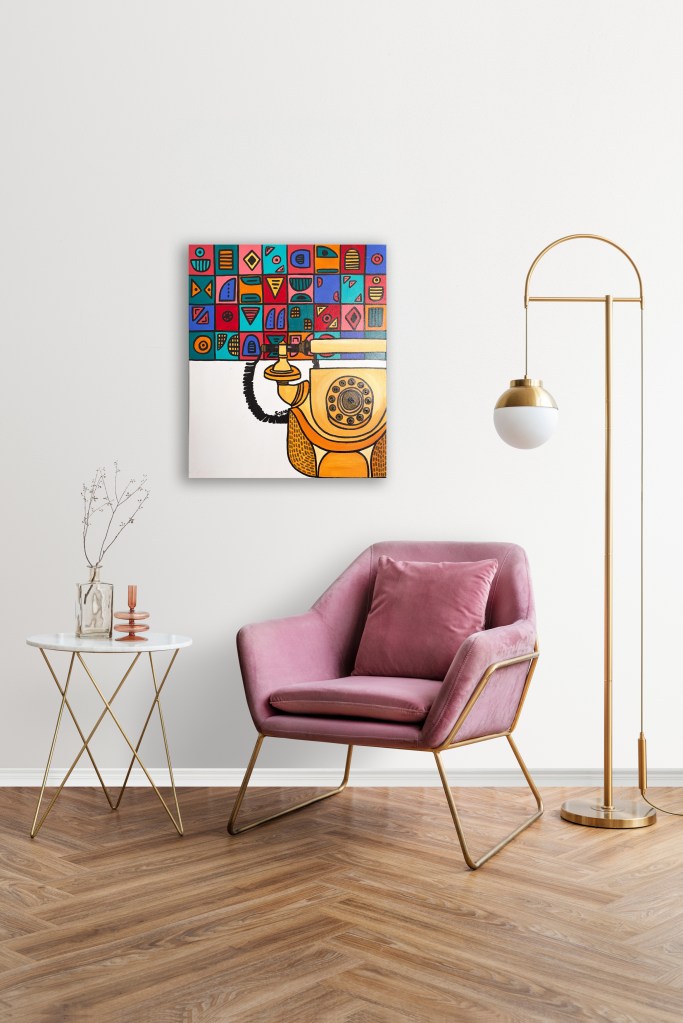
Long ago, the telephone in Mauritius was a symbol of connection, a bridge between distant hearts and faraway places. Its rotary dial, worn smooth by countless fingers, would hum to life with a single twist, the sound of the past echoing in every ring. In those days, when the world seemed vast and messages traveled slowly, the telephone was a lifeline—a whisper of someone’s voice reaching across the island, carrying stories, laughter, and love through the airwaves. The painted image of this old telephone captures not just a device, but a moment in time when communication was an art, when every conversation was cherished, and when the distance between people was measured in time, not technology. It stands as a reminder of simpler days, where every call held meaning, and every connection was a treasure.
Whispers of the well
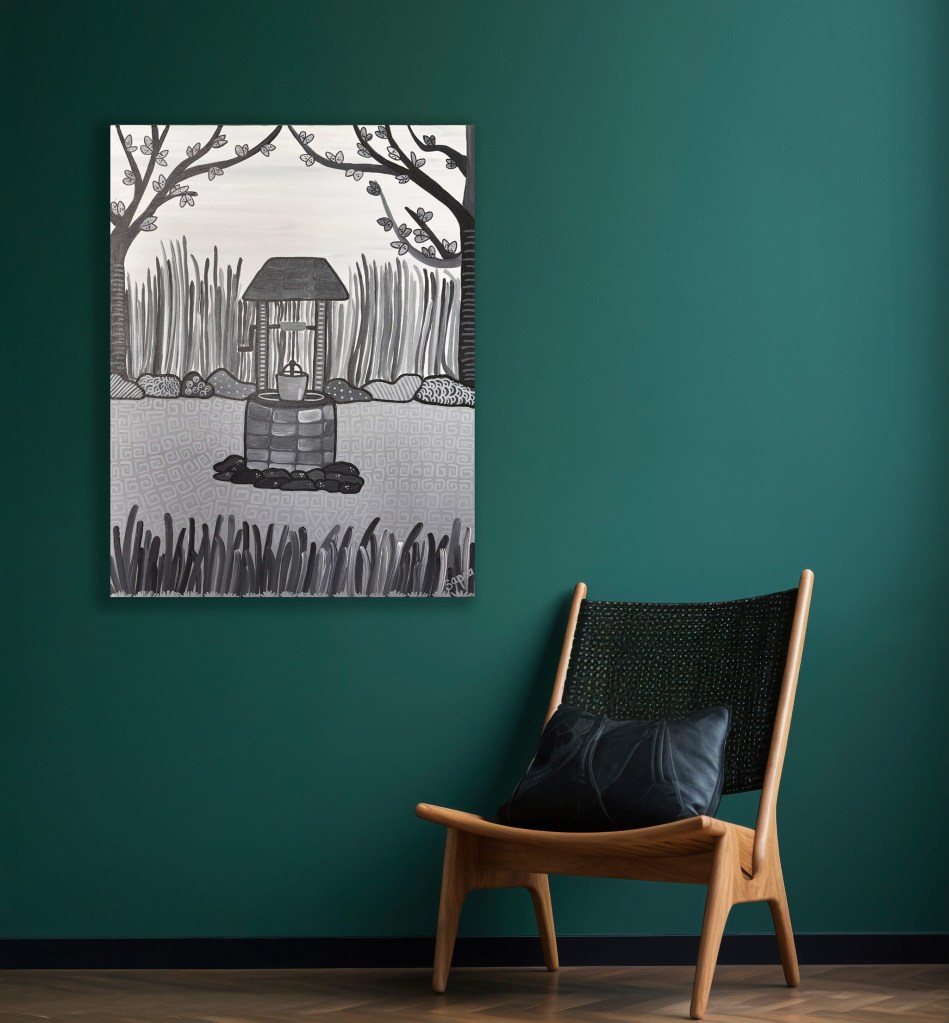
In the days of old, long before the modern water systems transformed life in Mauritius, wells were vital lifelines for communities. They stood as humble yet powerful symbols of self-sufficiency and survival, nestled amidst lush greenery and bustling villages. These wells, often hand-dug and brimming with natural spring water, served as gathering spots where stories flowed as freely as the water they provided.
Drawing from underground reserves, the wells represented the delicate harmony between humanity and nature, where the earth offered sustenance through its hidden veins. Women would often gather around them in the early morning light, their colorful sarees shimmering like the reflections in the bucket’s rippling surface, sharing laughter and daily news while collecting water for cooking, cleaning, and nurturing their families.
The act of drawing water was a meditative process, requiring strength and patience. As the bucket descended into the depths of the earth, it connected the user to something primordial—a quiet acknowledgment of life’s dependence on this elemental gift. Wells not only quenched physical thirst but also brought a spiritual resonance, embodying the hope, resilience, and resourcefulness of the Mauritian people.
Over time, as modern infrastructure took over, these wells slowly faded into nostalgia, becoming relics of a simpler, more grounded era. Today, they are cherished reminders of our ancestors’ resourcefulness and their deep connection to the land—a timeless symbol of community, sustainability, and reverence for nature.
Wheels of time
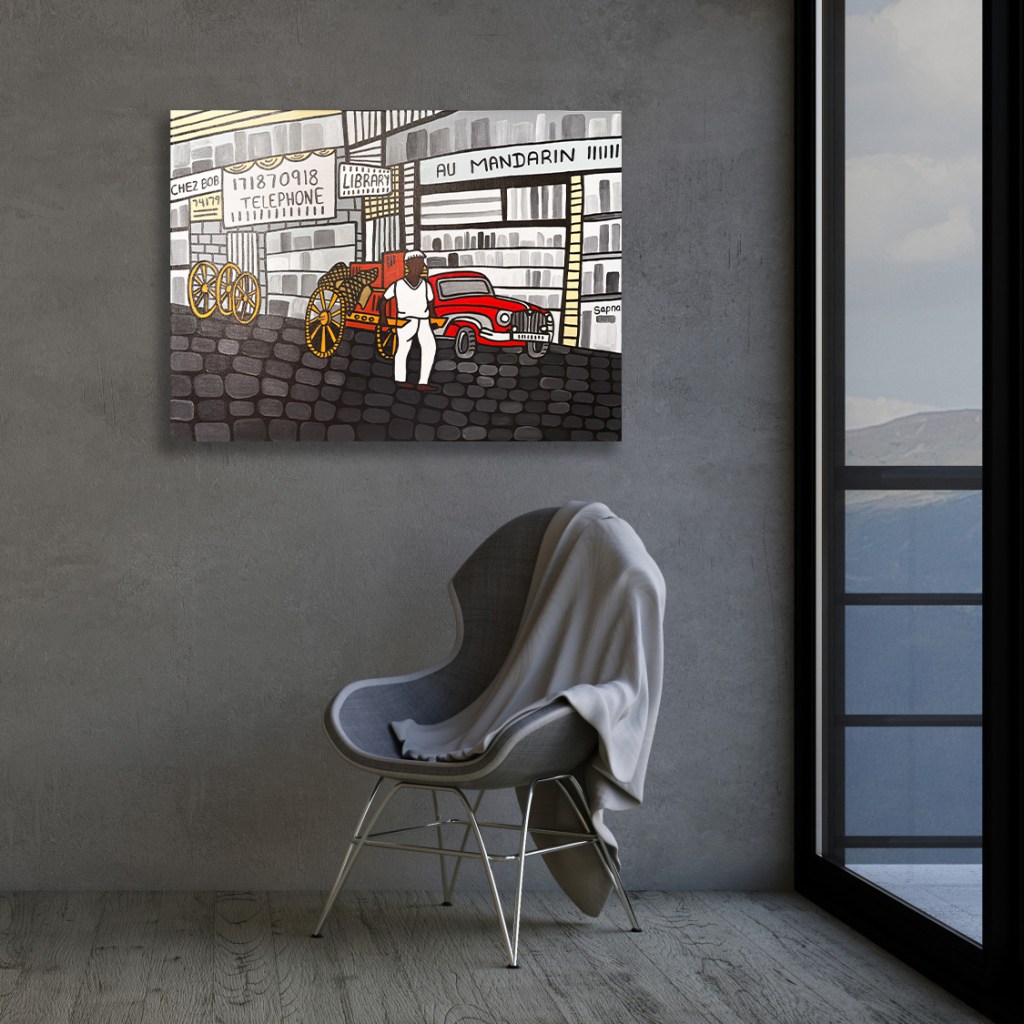
This evocative painting breathes life into a nostalgic tableau of Mauritius, intertwining the essence of its rich cultural heritage with the rhythm of everyday life. The cobblestone streets, rendered with care, whisper tales of a bygone era, where the gentle creak of hand-pulled rickshaws echoed through vibrant town centers. The central figure, poised with quiet determination, clad in traditional garb, stands as a testament to the unwavering spirit of the island’s workers who shaped its economic and cultural tapestry.
Signs like “Chez Bob,” “Library,” and “Au Mandarin” punctuate the scene, speaking of a land where cultures converge harmoniously, each storefront a doorway to the island’s layered narrative. The fiery red vintage car, bold and unapologetic, contrasts yet coexists, embodying the delicate dance between heritage and progress, tradition and modernity.
The architecture unfolds as a symphony of time—brick walls, methodically stacked, form the stage for a bustling, community-centered past. Shops align with precision, their modest facades offering glimpses into the island’s industrious spirit. The deliberate use of bold lines and a striking palette imbues the scene with vitality, transforming the ordinary into a celebration of identity.
This painting is more than a visual journey; it is an ode to Mauritius—a land where history and modernity embrace, where cultures intertwine, and where the resilience of its people shines through. It invites the viewer to step into its story, to walk its streets, and to feel the heartbeat of a timeless island.
 SAPNA GALLERY